Balance Exercises for Seniors: Why It Matters
Key Highlights
- Balance exercises help seniors prevent falls and maintain independence.
- Improving balance enhances coordination, mobility, and overall physical health.
- Simple exercises can be performed safely at home or in senior living communities.
- Regular practice supports confidence, mental well-being, and quality of life.
- Integrating balance exercises into daily routines maximizes long-term benefits.
As we age, maintaining balance becomes increasingly important for safety, mobility, and overall well-being. Falls are a leading cause of injury among older adults, and declining balance can significantly impact independence. Fortunately, balance exercises are an effective way to reduce risks, improve coordination, and enhance the quality of life for seniors.
Why Balance Matters
Balance is a critical component of physical health that relies on coordination between the brain, muscles, and sensory systems. Age-related changes, chronic conditions, or decreased physical activity can weaken balance, increasing the risk of falls, fractures, and hospitalizations.
Fact: According to the Centers for Disease Control and Prevention (CDC), one in four adults over 65 falls each year, often leading to injuries that affect mobility and independence.
Balance exercises not only prevent falls but also strengthen muscles, improve posture, and promote overall physical fitness.
Physical and Cognitive Benefits
Balance training has both physical and cognitive benefits:
Physical Benefits
- Improved stability and coordination.
- Stronger leg, core, and back muscles.
- Reduced risk of falls and related injuries.
- Enhanced mobility for daily activities like walking, standing, and climbing stairs.
Cognitive Benefits
- Enhances focus and body awareness.
- Improves reaction time to prevent falls.
- Supports mental well-being by boosting confidence and reducing fear of falling.
Case Example: In our sessions with a senior community, residents who participated in twice-weekly balance exercises reported feeling more confident walking without support, with fewer incidents of near-falls.
Safe and Effective Balance Exercises
Seniors can practice a range of balance exercises safely. Exercises should be low-impact, adaptable, and, if needed, supervised by a caregiver or fitness professional.
1. Heel-to-Toe Walk
- Walk in a straight line, placing the heel of one foot directly in front of the toes of the other.
- Improves coordination and foot placement awareness.
- Start with 10 steps and gradually increase the distance.
2. Single-Leg Stance
- Stand on one leg while holding a chair for support.
- Hold for 10–20 seconds, then switch legs.
- Strengthens leg muscles and improves static balance.
3. Sit-to-Stand Exercise
- Rise from a chair without using your hands if possible.
- Repeatedly stand and sit 10–15 times.
- Builds leg strength and functional mobility.
4. Side Leg Raises
- Stand behind a chair, lift one leg to the side, then lower it slowly.
- Repeat 10–15 times per leg.
- Enhances hip strength and lateral stability.
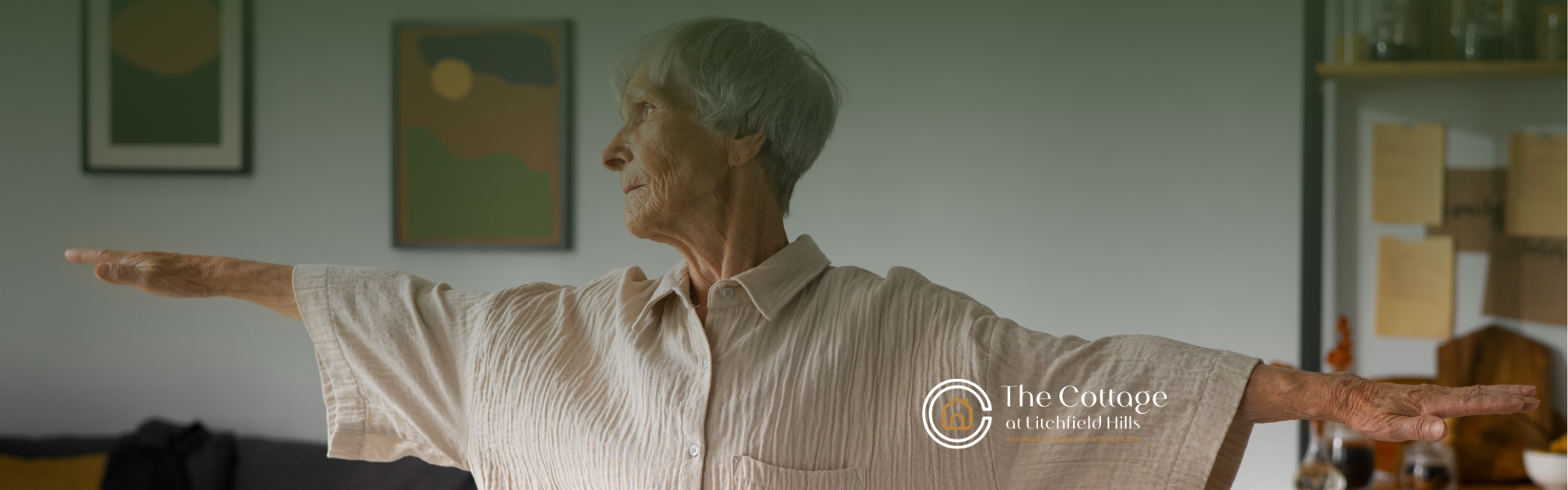
5. Tai Chi or Gentle Yoga
- Slow, controlled movements emphasize shifting weight and maintaining posture.
- Research shows these practices improve balance, flexibility, and fall prevention.
Real-world Observation: Residents who participated in a weekly Tai Chi class reported greater stability when walking and fewer feelings of unsteadiness during daily activities.
How to Integrate Balance Exercises into Daily Life
Consistency is key. Incorporating balance exercises into daily routines enhances long-term benefits.
- Morning Routine: Begin with gentle stretches or heel-to-toe walks around the living area.
- During Chores: Practice standing on one leg while washing dishes or brushing teeth (with support if needed).
- Group Classes: Participating in community fitness sessions encourages accountability and social interaction.
Observation from Practice: Seniors who integrated balance exercises into daily tasks experienced improved confidence in performing everyday activities, such as reaching for items on shelves or stepping over small obstacles.
Measuring Progress and Safety Considerations
Tracking improvement helps motivate seniors and ensures exercises are effective.
- Monitor balance duration: Aim to increase the time one can stand on one leg.
- Track distance walked heel-to-toe.
- Use a chair or wall for support to prevent falls.
- Consult healthcare providers before starting new exercise routines, especially for those with chronic conditions or mobility challenges.
The Emotional and Social Impact
Balance exercises offer more than just physical benefits—they also support mental and social well-being.
- Confidence: Improved balance reduces fear of falling, empowering seniors to engage in daily activities.
- Social Engagement: Group classes or partner exercises provide opportunities for socialization and emotional support.
- Mental Health: Exercise releases endorphins, reducing stress and enhancing mood.
Case Example: In group balance classes we facilitated, seniors reported not only physical improvements but also forming friendships, which contributed to greater overall life satisfaction.
Additional Tips for Caregivers and Families
Caregivers play a crucial role in supporting safe and effective balance exercise routines:
- Encourage Consistency: Help seniors stick to a regular schedule.
- Provide Support: Offer handrails, chairs, or walls for stability.
- Celebrate Progress: Recognize small achievements to build motivation.
- Mix It Up: Incorporate a variety of exercises to target different muscle groups.
- Monitor Health: Check for dizziness, fatigue, or pain during exercises.
Observation from Practice: Families who practiced balance exercises together found it strengthened relationships while encouraging adherence to routines.
Final Thoughts
By prioritizing balance exercises, seniors can maintain mobility, prevent falls, and enjoy greater independence. These exercises also contribute to emotional well-being, confidence, and social engagement.
At The Cottage at Litchfield Hills, residents participate in carefully designed balance programs tailored to individual needs, ensuring safety, enjoyment, and long-term health benefits. Contact us today!
Frequently Asked Questions
How often should seniors perform balance exercises?
Aim for daily or at least 3–5 times per week to see measurable improvements in strength and stability.
Are balance exercises safe for seniors with mobility issues?
Yes, with modifications and support such as chairs, walls, or caregiver supervision. Start slow and gradually increase difficulty.
Can balance exercises help prevent falls?
Absolutely. Regular balance training strengthens muscles, improves coordination, and reduces the risk of falls.
What types of balance exercises are most effective?
Heel-to-toe walks, single-leg stances, sit-to-stand exercises, side leg raises, and practices like Tai Chi or gentle yoga are highly effective.
Can group classes provide additional benefits?
Yes. Group classes enhance social engagement, provide motivation, and make exercise more enjoyable.
Sources:
- https://www.physio-pedia.com/Balance
- https://www.cdc.gov/falls/data-research/index.html
- https://www.mayoclinic.org/healthy-lifestyle/fitness/in-depth/balance-exercises/art-20546836
- https://www.ncoa.org/article/the-top-10-most-common-chronic-conditions-in-older-adults/
- https://www.health.harvard.edu/staying-healthy/exercising-to-relax


Other articles you might like