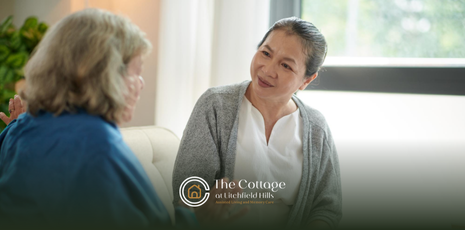
Decluttering and Organizing as You Age: Practical Tips

Key Highlights
- Decluttering reduces fall risks and improves daily safety
- Simple organization systems make everyday tasks easier
- Downsizing belongings can ease stress and decision fatigue
- Sentimental items can be preserved without keeping everything
- A gradual, room-by-room approach leads to lasting results
Decluttering and organizing as you age is not about getting rid of everything you own—it’s about creating a home that supports your comfort, safety, and independence. Over time, homes naturally collect items that once served a purpose but may no longer fit your current lifestyle. By taking a thoughtful and realistic approach, you can make your space easier to manage while still honoring memories and personal history.
This guide offers practical, easy-to-follow tips to help older adults simplify their homes, stay organized, and maintain a sense of control and peace in their living environment.
Why Decluttering Becomes More Important with Age
As we age, our needs, routines, and physical abilities often change. What once felt manageable can become overwhelming, and clutter can create unnecessary challenges.
Decluttering and organizing as you age can:
- Reduce tripping and fall hazards
- Make daily tasks quicker and less frustrating
- Lower stress and mental fatigue
- Improve accessibility and mobility
- Help prepare for future transitions or downsizing
An organized home allows you to focus more on enjoying life and less on managing belongings.
Start with the Right Mindset
Decluttering is as much an emotional process as it is a physical one. Many items are tied to memories, milestones, or loved ones, making it difficult to let go.
Helpful mindset tips include:
- Progress over perfection: Small steps matter
- Purpose over pressure: Keep what truly serves you
- Memories don’t live in objects: Photos and stories preserve meaning
- You’re in control: This process happens at your pace
Giving yourself permission to take breaks and revisit decisions helps prevent burnout.
Declutter One Area at a Time
Trying to organize an entire home at once can feel overwhelming. A room-by-room or category-based approach keeps the process manageable.
Suggested Order
- Entryways and hallways
- Kitchen
- Bathroom
- Bedroom
- Living areas
- Storage spaces
Completing one small area builds momentum and confidence.
Use the “Keep, Donate, Discard” Method
A simple sorting system can speed up decisions and reduce stress.
- Keep: Items you use regularly or truly value
- Donate: Items in good condition that others could use
- Discard: Broken, expired, or unsafe items
If you’re unsure about an item, place it in a “review later” box and revisit it after a few weeks.
Prioritize Safety While Organizing
Safety should be a top priority when decluttering and organizing as you age. A well-organized home reduces accidents and supports mobility.
Safety-Focused Tips
- Keep walkways clear of cords and furniture
- Store frequently used items at waist or eye level
- Remove loose rugs or secure them with non-slip backing
- Use sturdy step stools with handles instead of chairs
A safer home allows for greater confidence and independence.
Simplify Storage Solutions
Complex storage systems can be difficult to maintain. Simple, clearly labeled solutions are more sustainable.
Easy Organization Ideas
- Clear bins to see contents at a glance
- Labels with large, easy-to-read text
- Drawer dividers for daily essentials
- Open shelving for frequently used items
The goal is to make finding and putting away items effortless.
Let Go of “Just in Case” Items
Many homes become cluttered with items kept “just in case.” While some backups are practical, too many can take up valuable space.
Ask yourself:
- Have I used this in the last year?
- Could I borrow or replace it if needed?
- Is it worth the space it takes up?
Reducing excess creates room for what truly matters.
Managing Sentimental Belongings
Sentimental items are often the hardest to declutter. Rather than keeping everything, focus on preserving meaning.
Thoughtful Alternatives
- Take photos of meaningful items
- Create a memory box for special keepsakes
- Pass items down to family members
- Turn clothing or fabric into quilts or keepsakes
This approach honors memories without overwhelming your space.
Decluttering Paperwork and Documents
Paper clutter can quickly pile up and cause confusion.
What to Keep
- Legal documents
- Medical records
- Insurance information
- Financial statements
What to Discard
- Old bills
- Outdated manuals
- Duplicate documents
Consider scanning important papers and organizing them digitally when possible.
Kitchen Decluttering for Daily Ease
An organized kitchen saves time and energy.
Focus on:
- Removing duplicate utensils and gadgets
- Keeping everyday dishes within easy reach
- Discarding expired food and spices
- Using drawer organizers for tools
A simplified kitchen makes cooking safer and more enjoyable.
Bedroom Organization for Comfort
Your bedroom should promote rest.
Helpful tips:
- Keep nightstand surfaces clear
- Store daily clothing at accessible heights
- Limit furniture to essentials
- Use under-bed storage sparingly
A clutter-free bedroom supports better sleep and peace of mind.
Bathroom Organization for Safety
Bathrooms are high-risk areas for falls, making organization especially important.
Smart Bathroom Tips
- Keep counters clear
- Use non-slip mats
- Store medications in labeled containers
- Remove unused or expired products
Simple adjustments can significantly improve safety.
Downsizing with Intention
If downsizing is part of your plans, decluttering early makes the transition easier.
Benefits of Early Downsizing
- Less emotional stress
- More control over decisions
- Reduced moving costs
- A smoother adjustment to a new space
Downsizing doesn’t mean giving up independence—it often enhances it.
Staying Organized Long-Term
Decluttering is not a one-time event. Small habits help maintain order.
Easy Maintenance Habits
- Put items back after use
- Review one area each month
- Follow the “one in, one out” rule
- Schedule seasonal decluttering
Consistency keeps clutter from returning.
When to Ask for Help
Decluttering doesn’t have to be done alone. Support can make the process easier and safer.
Consider help from:
- Family members
- Professional organizers
- Community resources
Having assistance can reduce physical strain and emotional stress.
Decluttering and Organizing Checklist
| Area | Focus | Goal |
|---|---|---|
| Entryway | Clear walkways | Reduce fall risks |
| Kitchen | Simplify tools | Improve daily ease |
| Bedroom | Accessible storage | Enhance comfort |
| Bathroom | Remove clutter | Increase safety |
| Storage | Limit excess | Easier maintenance |
Emotional Benefits of Decluttering
Beyond physical safety, decluttering and organizing as you age can improve emotional well-being.
Many people report:
- Reduced anxiety
- Improved focus
- Greater sense of control
- More enjoyment of their home
A calm environment often leads to a calmer mind.
Creating a Home That Supports Your Lifestyle
Your home should adapt to you—not the other way around. Decluttering helps align your space with your current needs, routines, and goals.
Whether you’re simplifying for convenience, safety, or future planning, thoughtful organization creates a more enjoyable and functional living environment.
A Supportive Environment for Simplified Living
For older adults seeking a comfortable and maintenance-free lifestyle, senior living communities can offer an ideal balance of independence and support. At The Cottage at Litchfield Hills, residents enjoy thoughtfully designed living spaces that reduce clutter concerns while promoting comfort, safety, and peace of mind. Contact us today!
Frequently Asked Questions
Why is decluttering important for older adults?
Decluttering reduces fall risks, improves safety, lowers stress, and makes daily tasks easier to manage.
How do I start decluttering if I feel overwhelmed?
Begin with one small area, such as a drawer or countertop, and work gradually at your own pace.
What should I do with sentimental items?
Consider keeping a few meaningful pieces, taking photos, or passing items on to family members.
How often should seniors declutter their homes?
A small monthly review and seasonal decluttering can help maintain organization long-term.
Can decluttering help with downsizing later on?
Yes, decluttering early makes future transitions smoother and less emotionally challenging.
Sources:
- https://www.ltcnews.com/articles/decluttering-downsizing-as-you-age
- https://thegloss.ie/irish-writer-emma-gleeson-on-why-decluttering-is-an-emotional-process/
- https://www.ltcnews.com/articles/mom-or-dads-cluttered-home-how-to-keep-elderly-parents-safe
- https://www.theminimalists.com/sentimental/
- https://www.hbrhc.com/blog/storage-tips-for-seniors-downsizing-into-a-new-home


Other articles you might like