How Does Aging Affects Emotional Health?

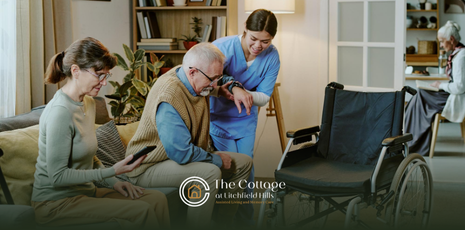
Aging brings many changes that can impact emotional health. Seniors may face feelings of loneliness, loss, or reduced independence, which can contribute to stress, anxiety, or depression. Physical health challenges and chronic conditions can also affect mood and overall well-being.
However, aging doesn’t mean emotional decline is inevitable. Maintaining strong social connections with family, friends, and community groups supports mental well-being. Engaging in hobbies, volunteering, or learning new skills provides purpose and satisfaction. Regular physical activity and a balanced diet also boost mood and reduce stress.
Mindfulness practices, meditation, or therapy can help seniors manage emotional challenges and build resilience. Recognizing and addressing emotional changes early is key to sustaining a positive outlook.
For seniors seeking a supportive environment that prioritizes emotional health alongside physical care, communities like The Cottage at Litchfield Hills offer activities, social opportunities, and resources designed to enhance mental and emotional well-being.
Frequently Asked Questions
Why do seniors experience more emotional ups and downs?
Changes in health, routine, social connections, and independence can affect mood and emotional stability.
How can seniors maintain emotional health?
Staying socially active, engaging in hobbies, exercising, and practicing mindfulness supports emotional well-being.
When should emotional changes in seniors be addressed professionally?
If feelings of sadness, anxiety, or irritability persist or interfere with daily life, seeking counseling or medical support is important.
Sources:
- https://online.aging.ufl.edu/2025/09/03/understanding-the-effects-of-aging-on-both-body-and-mind/
- https://pmc.ncbi.nlm.nih.gov/articles/PMC9453913/


Other articles you might like