The Role of Hobbies in Improving Senior Cognitive Health
Key Highlights
- Engaging in hobbies stimulates brain activity and supports memory retention.
- Creative and physical hobbies reduce stress, anxiety, and depression in seniors.
- Social hobbies foster interaction and improve overall cognitive function.
- Case studies show that seniors who maintain hobbies experience slower cognitive decline.
- Structured hobby programs in senior communities enhance quality of life and independence.
Cognitive health is a vital aspect of overall well-being as we age. Maintaining memory, attention, problem-solving, and emotional resilience is crucial for quality of life. One of the most effective strategies to support cognitive health is engaging in hobbies.
Hobbies are not just leisure activities—they actively stimulate the brain, foster social connections, and provide purpose. From painting and knitting to puzzles, gardening, or music, hobbies can enhance memory, reasoning, and emotional well-being in older adults.
How Hobbies Stimulate the Brain
Hobbies challenge the mind in unique ways, depending on the type of activity:
- Creative hobbies: Painting, writing, or crafting engage multiple brain regions, including those responsible for memory, visual-spatial skills, and executive function.
- Physical hobbies: Gardening, dancing, or walking increase blood flow to the brain, supporting neural health.
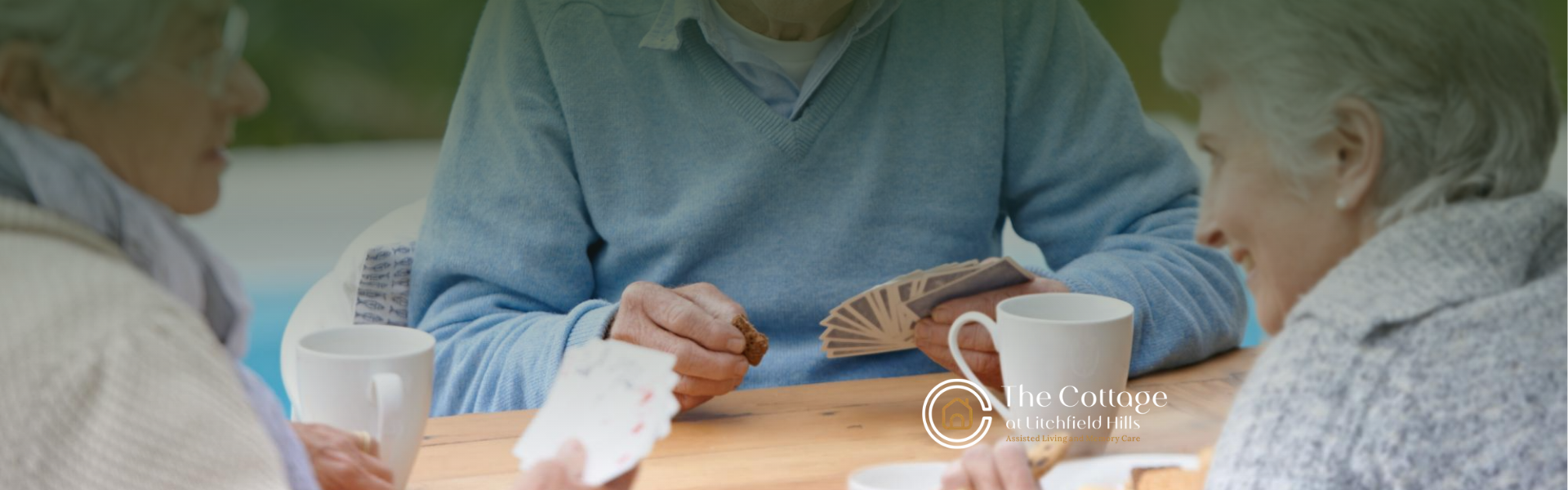
- Cognitive hobbies: Puzzles, crosswords, and strategic games enhance problem-solving, attention, and recall.
Professional Insight: A 2022 study in Frontiers in Aging Neuroscience found that seniors who regularly engage in hobbies have higher cognitive performance and slower rates of age-related cognitive decline compared to those with limited activity.
Case Example: In our sessions, a group of residents participating in weekly puzzle and chess clubs demonstrated improved attention span and memory recall over three months.
Reducing Stress and Improving Emotional Health
Hobbies also serve as stress-relievers, reducing cortisol levels and enhancing mood.
- Mindfulness through creative work: Painting, knitting, or music encourages focus and presence, lowering anxiety.
- Physical hobbies: Exercise-based hobbies like tai chi or dancing release endorphins, improving emotional well-being.
- Sense of accomplishment: Completing a project or mastering a skill boosts confidence and self-esteem.
Example: A resident who joined a community gardening group reported feeling more relaxed and confident, noting fewer bouts of anxiety and better sleep quality.
Social Hobbies and Cognitive Benefits
Social interaction is a key component of cognitive health. Participating in hobbies with peers combines mental stimulation with social engagement:
- Group classes or clubs: Art, music, or fitness classes encourage conversation and collaboration.
- Mentorship or shared learning: Seniors teaching or learning new skills reinforces cognitive processing and memory.
- Building friendships: Social hobbies reduce loneliness, which has been linked to cognitive decline.
Practical Insight: According to research in The Journal of Aging and Health, seniors who participate in social hobbies have a lower risk of cognitive decline and report higher life satisfaction.
Case Example: In one community, residents attending weekly music therapy sessions not only improved memory recall but also developed lasting social connections.
Types of Hobbies That Boost Cognitive Health
| Hobby Type | Examples | Cognitive Benefits |
|---|---|---|
| Creative | Painting, drawing, knitting, writing | Engages memory, visual-spatial processing, and executive function |
| Cognitive | Puzzles, chess, strategy games | Enhances attention, problem-solving, and memory |
| Physical | Gardening, dancing, walking | Improves blood flow, neuroplasticity, and overall brain health |
| Social | Book clubs, group classes, volunteer work | Reduces isolation, encourages collaboration, and strengthens executive function |
| Musical | Singing, playing instruments, listening actively | Boosts memory, auditory processing, and emotional regulation |
Practical Tip: Choosing a mix of cognitive, physical, and social hobbies maximizes mental stimulation and overall health.
Hobbies as Part of Routine in Senior Communities
Integrating hobbies into daily life encourages consistency, which enhances long-term cognitive benefits.
- Structured schedules: Morning exercise, afternoon creative activities, and evening games can provide predictable stimulation.
- Dedicated hobby spaces: Craft rooms, game lounges, and music corners facilitate easy access and participation.
- Resident-led initiatives: Encouraging seniors to lead hobby groups promotes autonomy and executive function.
Case Example: In our sessions, residents who led a knitting club reported a sense of purpose while improving their fine motor skills and attention span.
Hobbies and Memory Preservation
Memory retention is one of the most visible benefits of hobby engagement.
- Crossword puzzles or brain games: Help maintain verbal memory and problem-solving skills.
- Musical activities: Playing or listening to music stimulates hippocampal activity.
- Artistic expression: Drawing or painting taps into visual memory and creativity.
Insight: Studies in Neuropsychology, Development, and Cognition indicate that seniors who engage in memory-focused hobbies show slower decline in episodic and working memory.
Encouraging Lifelong Learning
Hobbies foster a mindset of lifelong learning, which is protective for cognitive health:
- Learning new skills: Taking up a new language, instrument, or craft challenges the brain.
- Adaptation and neuroplasticity: Trying unfamiliar activities strengthens neural pathways.
- Confidence and resilience: Overcoming challenges in hobbies enhances problem-solving and coping skills.
Case Example: A resident in our creative writing club started learning digital photography. Over six months, he not only produced a personal portfolio but also demonstrated improved attention and problem-solving skills.
Overcoming Barriers to Hobby Engagement
Some seniors face challenges in participating in hobbies:
- Physical limitations: Adapt hobbies with seated exercises, lightweight tools, or assistive devices.
- Cognitive challenges: Simplified instructions and step-by-step guidance help seniors with memory issues participate.
- Motivation barriers: Pairing residents with friends or staff encourages initial engagement.
Insight: Communities that address these barriers proactively see higher participation rates and more substantial cognitive benefits.
Tracking Cognitive Benefits of Hobbies
Monitoring progress helps quantify the impact of hobbies on cognitive health:
- Memory and attention tests: Short assessments before and after program participation.
- Resident surveys: Self-reported mood, confidence, and perceived mental sharpness.
- Observation logs: Staff record engagement levels and cognitive performance.
Integrating Family and Community Support
Family involvement amplifies the cognitive benefits of hobbies:
- Shared activities: Family members can participate in art, music, or gardening.
- Encouragement and recognition: Celebrating hobby achievements boosts motivation.
- Intergenerational learning: Teaching or learning hobbies from younger generations strengthens memory and social bonds.
Case Example: A resident who taught her grandchildren knitting during weekly visits reported improved fine motor skills and elevated mood, while grandchildren developed meaningful connections.
Long-Term Cognitive Health Outcomes
Consistent engagement in hobbies is linked to:
- Reduced risk of dementia and Alzheimer’s disease.
- Improved executive function, memory, and problem-solving skills.
- Enhanced emotional regulation and stress management.
- Greater overall quality of life and independence.
Insight: The American Journal of Geriatric Psychiatry confirms that active participation in hobbies significantly correlates with slower cognitive decline and higher mental well-being in older adults.
Final Thoughts
Hobbies play a critical role in promoting cognitive health for seniors. By providing mental stimulation, physical activity, social connection, and emotional fulfillment, hobbies help seniors maintain memory, problem-solving skills, and emotional well-being.
At The Cottage at Litchfield Hills, we’ve seen firsthand how structured hobby programs, individualized support, and community engagement transform lives. Residents who actively participate in hobbies enjoy sharper cognition, stronger social bonds, and a more vibrant, fulfilling lifestyle. Encouraging hobbies is not just a leisure activity—it’s a pathway to better mental health, independence, and overall well-being for seniors. Reach out today!
Frequently Asked Questions
How do hobbies improve cognitive health in seniors?
Hobbies stimulate memory, attention, problem-solving, and executive function while reducing stress and improving emotional well-being.
What types of hobbies are most beneficial for seniors?
Cognitive hobbies (puzzles, chess), creative hobbies (painting, music), physical hobbies (gardening, dancing), and social hobbies (clubs, group classes) are highly effective.
Can hobbies help prevent cognitive decline?
Yes, consistent engagement in stimulating hobbies is linked to slower cognitive decline and reduced risk of dementia.
How can families support seniors in hobbies?
Families can participate in shared activities, encourage regular engagement, and help set up hobby spaces or resources.
What if a senior has physical or cognitive limitations?
Hobbies can be adapted with seated exercises, simplified instructions, or assistive tools to ensure accessibility and enjoyment.
Sources:
- https://www.nia.nih.gov/health/brain-health/cognitive-health-and-older-adults
- https://www.frontiersin.org/journals/psychology/articles/10.3389/fpsyg.2022.838878/full
- https://www.ncbi.nlm.nih.gov/books/NBK83766/
- https://pmc.ncbi.nlm.nih.gov/articles/PMC6839878/
- https://www.sciencedirect.com/science/article/pii/S0001691825013277
- https://www.ajgponline.org/article/S1064-7481%2813%2900065-1/abstract.

Other articles you might like