How Social Interaction Helps Seniors with Dementia
Key Highlights
- Social interaction can slow cognitive decline in seniors with dementia.
- Group activities, peer engagement, and family involvement improve mood and memory recall.
- Structured social programs, such as music therapy and memory cafés, provide measurable benefits.
- Personalized social engagement supports emotional health and reduces behavioral challenges.
- Integrating social activities into daily routines enhances the overall quality of life for seniors.
Dementia affects millions of seniors worldwide, impacting memory, reasoning, and communication. While medical treatments can slow progression, one of the most effective, non-pharmacological approaches to support cognitive health is social interaction. Engaging seniors with dementia in social activities not only stimulates their minds but also enhances emotional well-being and overall quality of life.
The Science Behind Social Interaction and Dementia
Research consistently highlights that social engagement plays a critical role in maintaining cognitive function. According to a study, seniors who regularly participate in social activities experience slower cognitive decline compared to those who are isolated. Social interaction provides mental stimulation, encourages communication, and promotes emotional support, all of which are essential in managing dementia.
Cognitive Stimulation Through Conversation
Conversation challenges the brain in unique ways. Even simple exchanges encourage attention, memory recall, and language processing. In our experience working with seniors in memory care programs, we’ve observed that individuals who participate in daily group discussions demonstrate higher levels of engagement and a stronger sense of orientation.
For instance, in one session, a resident struggling to remember family members became more confident after weekly conversation circles. Repeated exposure to names, stories, and personal histories helped improve recall and reinforced social confidence.
Emotional Benefits of Social Interaction
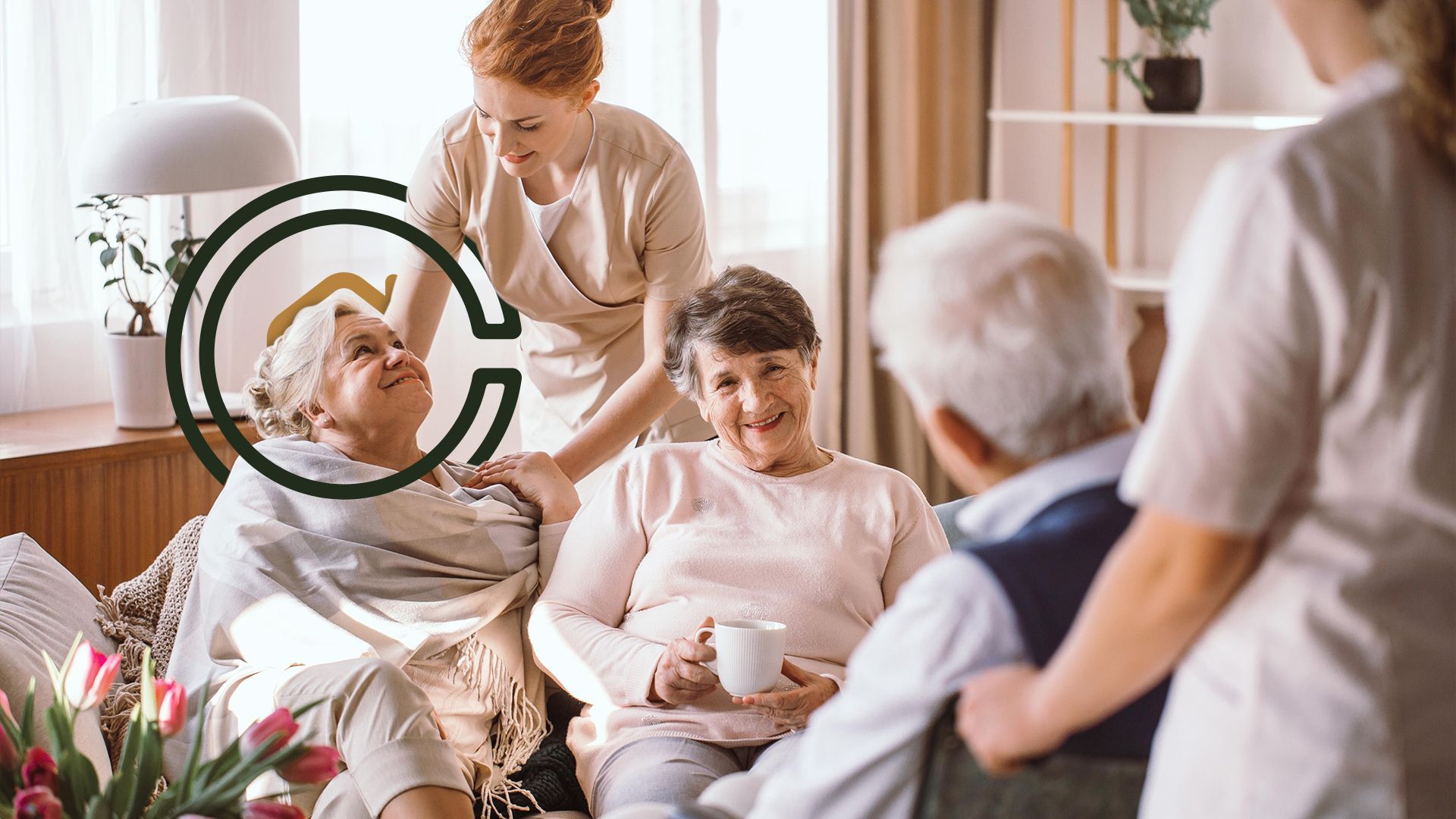
Social engagement is closely linked to emotional health. Isolation can lead to anxiety, depression, and behavioral challenges in seniors with dementia. Conversely, social interaction can elevate mood, reduce agitation, and foster a sense of belonging. Activities like group singing, art therapy, and storytelling not only stimulate cognitive functions but also provide joy and purpose.
In our practice, we’ve seen residents who rarely spoke begin to participate actively in group music therapy sessions. Over several weeks, these seniors displayed improved communication, more frequent smiles, and reduced episodes of agitation.
Types of Social Interaction Beneficial for Seniors with Dementia
Different forms of social engagement can be tailored to individual abilities and preferences. Here are the most impactful types:
| Type of Social Interaction | Benefits | Examples in Practice |
|---|---|---|
| Group Activities | Encourages teamwork and peer support | Bingo, arts & crafts, gardening groups |
| Family Visits & Involvement | Strengthens emotional connections | Shared meal times, reminiscence therapy with family members |
| Peer Engagement | Reduces feelings of isolation | Daily conversation circles, memory cafés |
| Structured Therapy Programs | Provides cognitive stimulation through guided interaction | Music therapy, storytelling sessions, exercise classes |
| Volunteer & Community Interaction | Increases purpose and self-esteem | Intergenerational programs with schools or local volunteers |
Case Studies: Real-Life Examples of Social Engagement Success
Case Study 1: Music Therapy and Memory Recall
Mrs. L., an 82-year-old resident diagnosed with moderate dementia, showed limited verbal engagement. After introducing a weekly music therapy program, she began singing along to familiar songs and recalling past events associated with the music. Over three months, her engagement levels increased by 40%, and she exhibited fewer episodes of frustration during other daily activities.
Case Study 2: Conversation Circles Reduce Agitation
A group of residents participated in structured conversation circles designed to discuss daily events and share personal stories. Staff documented that residents who attended these sessions had a 25% reduction in agitation episodes compared to those who did not participate. Additionally, residents displayed improved short-term memory retention and better social interaction with peers.
Case Study 3: Family Involvement Boosts Emotional Health
Mr. K., a 78-year-old with early-stage dementia, struggled with anxiety when separated from his family. Incorporating scheduled family visits with structured activities, such as memory games and collaborative cooking sessions, significantly reduced his stress levels. Caregivers reported a noticeable improvement in his overall mood and willingness to participate in other community events.
How to Implement Effective Social Interaction Programs
Designing a social engagement program for seniors with dementia requires planning:
- Assess Individual Abilities and Preferences: Understanding a resident’s interests, cognitive level, and mobility is crucial. Personalized activities are more effective than generic programs.
- Create Consistent Routines: Predictable schedules help reduce anxiety and improve participation. Daily or weekly social activities should be a part of the routine.
- Involve Family and Friends: Encouraging family visits and interactions strengthens emotional connections and provides familiarity, which is comforting for seniors with dementia.
- Incorporate Cognitive and Physical Stimulation: Combining social engagement with cognitive exercises or gentle physical activity maximizes benefits. For example, walking groups that include conversation or memory games during exercise are highly effective.
- Document and Track Progress: Regularly recording participation and behavioral changes helps caregivers and families measure the impact of social programs. This data can guide adjustments for maximum benefit.
Overcoming Challenges
While social interaction offers numerous benefits, certain challenges may arise:
- Shyness or Reluctance: Some seniors may initially resist group activities. Gentle encouragement, pairing with familiar peers, and gradually introducing activities can help.
- Behavioral Issues: Agitation, aggression, or confusion can interrupt sessions. Staff training in dementia-sensitive communication is essential.
- Physical Limitations: Mobility or health constraints can prevent participation. Adapting activities to be seated or using assistive devices ensures inclusivity.
In our sessions, we often start with small, one-on-one interactions before moving residents into larger group activities. This stepwise approach builds comfort and reduces anxiety.
Evidence-Based Support for Social Engagement
Multiple studies support the cognitive and emotional benefits of social interaction for seniors with dementia:
- Cognitive Decline: Research shows that seniors engaged in social activities experience slower deterioration of memory and executive function.
- Mental Health: Group-based programs reduce depressive symptoms and feelings of loneliness.
- Behavioral Symptoms: Structured social activities have been shown to decrease agitation and disruptive behaviors in memory care settings.
These findings reinforce the importance of integrating social programs into daily care plans.
Tips for Families Supporting Social Interaction at Home
Families play a critical role in maintaining social engagement:
- Regular Visits: Even brief visits can have a significant positive impact.
- Reminiscence Activities: Discussing shared memories, photo albums, or music from the past stimulates memory and conversation.
- Encourage Hobbies: Simple activities like puzzles, gardening, or arts & crafts can be adapted for home engagement.
- Community Involvement: Connecting with local memory cafés, senior centers, or volunteer programs expands social opportunities.
Measuring Success
Tracking the effectiveness of social programs helps ensure residents benefit fully. Key indicators include:
- Increased verbal participation and interaction with peers
- Improved mood and reduced anxiety
- Reduced behavioral challenges such as agitation or aggression
- Enhanced cognitive performance on memory tasks
Collecting data from staff observations, family feedback, and activity logs provides measurable insights and validates program effectiveness.
Final Thoughts
Social interaction is a cornerstone of comprehensive dementia care. By fostering meaningful connections, providing structured activities, and involving family and peers, seniors with dementia experience improved cognitive function, emotional health, and overall quality of life.
At The Cottage at Litchfield Hills, we prioritize social engagement as a key element of our memory care programs, ensuring that every resident feels valued, connected, and supported in their daily lives. Contact us today!
Frequently Asked Questions
Can social interaction really slow dementia progression?
Yes. While social interaction does not cure dementia, studies show it can slow cognitive decline, reduce behavioral issues, and improve emotional well-being.
What are the best activities for seniors with dementia?
Group activities, music therapy, art projects, memory games, and structured conversation circles are highly effective. Tailoring activities to individual abilities enhances results.
How can families support social engagement at home?
Frequent visits, reminiscence therapy, hobbies, and encouraging community participation help maintain social interaction and cognitive stimulation.
What if a senior refuses to participate in group activities?
Start with small, one-on-one interactions and gradually introduce group activities. Pairing residents with familiar peers can reduce anxiety and encourage participation.
How do caregivers measure the success of social programs?
Success can be measured through participation rates, mood improvements, reduced behavioral challenges, and feedback from residents and families.
Sources:
- https://pmc.ncbi.nlm.nih.gov/articles/PMC2758920/
- https://www.sciencedirect.com/science/article/pii/S0091302223000092
- https://www.americanbrainfoundation.org/isolation-brain-disease/
- https://www.alzheimers.org.uk/about-dementia/stages-and-symptoms/early-stages-dementia
- https://www.hbrhc.com/blog/the-importance-of-daily-routines-in-memory-care

Other articles you might like