Tips for Staying Positive During Retirement

Key Highlights
- Maintaining positivity in retirement supports both mental and physical health.
- Staying socially engaged reduces feelings of isolation and depression.
- Pursuing hobbies, volunteer work, and lifelong learning fosters purpose.
- Mindfulness, exercise, and gratitude practices improve daily well-being.
- Planning routines, setting goals, and staying proactive enhances fulfillment.
Staying Positive During Retirement
Retirement is a major life transition that brings freedom, new opportunities, and sometimes unexpected challenges. While it’s a time to enjoy the fruits of decades of work, many retirees experience changes in routine, social circles, or purpose, which can affect overall well-being.
Research from the American Psychological Association shows that retirees who stay socially connected, mentally active, and physically engaged report higher levels of happiness and lower levels of stress. In this guide, we’ll explore practical strategies for staying positive during retirement, backed by expert insights, real-life examples, and actionable tips.
1. Cultivate a Daily Routine
Even without a work schedule, routines provide structure and purpose. Establishing predictable daily habits can reduce stress and promote mental clarity.
Tips:
- Set consistent wake-up and sleep times.
- Plan meals, exercise, and leisure activities at regular intervals.
- Include time for reflection or journaling.
Example from practice: “We’ve seen retirees who implement a simple morning routine with stretching, breakfast, and planning their day report feeling more motivated and less anxious than those without structure.”
2. Stay Socially Connected
Social interaction is one of the strongest predictors of happiness in retirement. Maintaining relationships reduces isolation and supports mental health.
Strategies:
- Schedule regular visits with friends and family.
- Join clubs, senior centers, or hobby groups.
- Participate in online communities to stay connected when mobility is limited.
Case Study: One retiree joined a local book club and a weekly walking group. Within months, she reported a significant improvement in mood and energy levels, highlighting the benefits of social engagement.
3. Pursue Meaningful Hobbies and Interests
Retirement is an ideal time to explore passions that may have been set aside during working years. Engaging in meaningful hobbies provides mental stimulation and a sense of accomplishment.
Ideas:
- Arts and crafts, such as painting, knitting, or woodworking.
- Music lessons or joining a choir.
- Gardening, birdwatching, or nature walks.
Example from practice: “In our sessions, retirees who engaged in creative arts or music activities noted reduced stress, improved cognitive function, and an overall sense of joy.”
4. Volunteer and Give Back
Many retirees find purpose and positivity through volunteer work. Contributing to the community provides social interaction, a sense of accomplishment, and emotional satisfaction.
Volunteer Opportunities:
- Mentoring younger professionals or students.
- Local charities, food banks, or community centers.
- Animal shelters or environmental organizations.
Real-life insight: A retiree who volunteered at a local library found that weekly shifts brought structure, friendships, and a renewed sense of purpose, directly improving his mental well-being.
5. Stay Physically Active
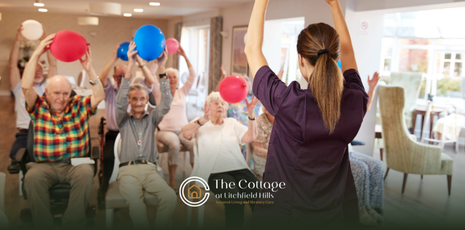
Exercise is closely linked to both physical and mental health. Regular activity improves mood, reduces anxiety, and promotes longevity.
Recommended Activities:
- Walking, swimming, or cycling.
- Yoga, tai chi, or stretching exercises.
- Strength training with light weights or resistance bands.
Case Study: “We’ve observed that retirees who commit to 30 minutes of daily physical activity experience enhanced mood, better sleep, and higher energy levels.”
6. Practice Mindfulness and Gratitude
Mindfulness and gratitude are scientifically proven methods to enhance positivity and emotional resilience.
Techniques:
- Daily meditation or deep-breathing exercises.
- Keeping a gratitude journal with three things you’re thankful for each day.
- Mindful walking or savoring meals without distractions.
Example from practice: One retiree reported that journaling gratitude entries each morning decreased feelings of loneliness and helped her focus on positive experiences throughout the day.
7. Learn Continuously and Challenge the Mind
Mental stimulation is key to staying sharp and engaged. Learning new skills or pursuing intellectual activities can foster a sense of achievement and purpose.
Opportunities:
- Online courses or local community college classes.
- Learning a new language, instrument, or technology skill.
- Brain games, puzzles, or strategy-based board games.
Example: “We’ve seen retirees who took up digital photography or language courses not only develop new skills but also form social connections and report higher life satisfaction.”
8. Set Goals and Celebrate Achievements
Even in retirement, setting achievable goals creates motivation and a sense of direction. Celebrating milestones, no matter how small, reinforces positivity.
Examples:
- Completing a fitness challenge or walking a certain number of steps each week.
- Finishing a creative project, like writing a memoir or building a model.
- Learning a new skill or attending a cultural workshop.
Real-life insight: A retiree who committed to learning watercolor painting set weekly goals. Each completed painting boosted confidence and satisfaction, improving overall mood.
9. Maintain a Healthy Lifestyle
Diet, sleep, and stress management are critical for emotional and physical well-being.
Tips:
- Eat a balanced diet rich in fruits, vegetables, and lean proteins.
- Limit alcohol and processed foods.
- Ensure adequate sleep and manage stress through relaxation techniques.
Example from practice: “In our sessions, retirees who prioritized balanced nutrition and consistent sleep reported fewer mood swings and higher energy levels.”
10. Embrace Flexibility and Adaptability
Retirement comes with unexpected changes—health issues, loss of loved ones, or changes in financial circumstances. Adapting with resilience and flexibility helps maintain positivity.
Strategies:
- Accept change as part of life.
- Focus on controllable factors rather than dwelling on challenges.
- Seek professional support or counseling when needed.
Case Study: One retiree facing limited mobility adjusted his hobbies from hiking to photography and virtual nature tours, maintaining engagement and optimism.
Final Thoughts
Staying positive during retirement requires a proactive approach to mental, emotional, and physical health. By cultivating routines, maintaining social connections, pursuing hobbies, volunteering, staying active, practicing mindfulness, learning continuously, and embracing flexibility, retirees can enjoy a fulfilling and joyful life.
The Cottage at Litchfield Hills offers structured opportunities for engagement, socialization, and wellness programs designed to help residents maintain a positive outlook, purpose, and quality of life throughout retirement. Contact us today!
Frequently Asked Questions
How can retirees stay positive during retirement?
Engage in hobbies, maintain social connections, practice mindfulness, stay active, and set achievable goals.
Why is social interaction important for retirees?
Social connections reduce isolation, improve mood, and promote cognitive health.
What are some activities that boost positivity in retirement?
Hobbies, volunteer work, fitness routines, learning new skills, and gratitude practices.
How can mindfulness help during retirement?
Mindfulness and gratitude practices enhance emotional resilience, reduce stress, and promote overall well-being.
Can senior living communities support a positive retirement mindset?
Yes, they provide structured activities, wellness programs, social engagement, and opportunities for lifelong learning.
Sources:
- https://www.apa.org/monitor/2014/01/retiring-minds
- https://mcpress.mayoclinic.org/healthy-aging/a-surprising-key-to-healthy-aging-strong-social-connections/
- https://www.uclahealth.org/news/article/the-link-between-exercise-and-mental-health
- https://www.nia.nih.gov/health/brain-health/cognitive-health-and-older-adults
- https://www.hbrhc.com/blog/sleep-challenges-for-seniors


Other articles you might like