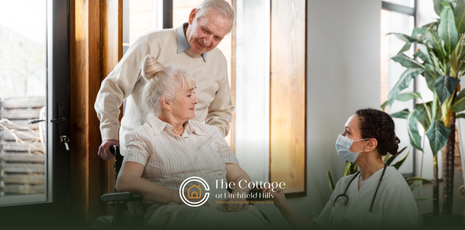
Telemedicine for Seniors: Benefits and Challenges

Key Highlights
- Telemedicine provides seniors with convenient access to healthcare without leaving home.
- Virtual visits can improve medication management and chronic disease monitoring.
- Technology barriers and privacy concerns remain key challenges for older adults.
- Telemedicine enhances social support by connecting seniors to healthcare teams quickly.
- Structured telehealth programs can accommodate varying levels of tech literacy and mobility.
Telemedicine for Seniors
Advances in technology are transforming how seniors access healthcare. Telemedicine, or virtual healthcare delivery, allows patients to consult with doctors, nurses, and other healthcare professionals remotely through video, phone, or messaging platforms. For seniors, telemedicine offers a new level of convenience and access, but it also comes with unique challenges that need careful consideration.
Benefits of Telemedicine for Seniors
1. Convenience and Accessibility
One of the most significant advantages of telemedicine is accessibility. Many seniors face mobility challenges or transportation barriers, making in-person visits difficult. Telemedicine eliminates travel, long waiting rooms, and the need for someone to drive them to appointments.
In our sessions with older adults, we’ve seen seniors with limited mobility maintain regular appointments and check-ins without leaving their homes. For example, a 78-year-old participant with arthritis could schedule weekly follow-ups for joint pain management without the strain of travel.
2. Improved Management of Chronic Conditions
Seniors often manage multiple chronic conditions, such as diabetes, hypertension, or heart disease. Telemedicine facilitates regular monitoring, medication adjustments, and early intervention if symptoms worsen.
Case Study: In one telehealth program, seniors with diabetes participated in remote glucose monitoring and virtual consultations with endocrinologists. Within six months, participants reported better blood sugar control and fewer hospitalizations, demonstrating the positive impact of consistent virtual care.
3. Mental Health Support
Mental health is a critical aspect of senior care. Loneliness and isolation can exacerbate depression and anxiety. Telemedicine allows seniors to connect with mental health professionals from home, providing timely counseling or therapy sessions.
In our practice, seniors who struggled to attend in-person therapy sessions were able to maintain continuity through video calls. One participant remarked, “I didn’t realize how much I missed regular check-ins until I started talking to my therapist online. It’s a lifeline.”
4. Quick Access to Specialists
Specialist care is often difficult to access in rural areas or for seniors with limited mobility. Telemedicine bridges this gap, enabling seniors to consult specialists without long-distance travel.
Telemedicine Benefits vs Traditional Care
| Feature | Telemedicine Benefit | Traditional Care Challenge |
|---|---|---|
| Access | Video calls from home | Travel required |
| Chronic disease management | Frequent monitoring and adjustments | Less frequent check-ups |
| Mental health support | Virtual therapy sessions | Scheduling and travel barriers |
| Emergency consultation | Rapid evaluation and triage | Delayed appointments |
| Care coordination | Multi-provider meetings online | Scheduling conflicts, travel for multiple visits |
Challenges of Telemedicine for Seniors
While telemedicine offers many benefits, several challenges affect its adoption among older adults.
1. Technology Barriers
Some seniors struggle with digital literacy or have limited access to smartphones, tablets, or high-speed internet. These barriers can prevent effective use of telemedicine platforms.
In our sessions, we’ve found that providing step-by-step guidance and user-friendly devices significantly improves adoption. For instance, seniors who received tablet tutorials were able to independently join virtual appointments within a few weeks.
2. Privacy and Security Concerns
Seniors are often concerned about data privacy and the security of online platforms. Ensuring secure connections and explaining privacy measures is essential for building trust.
One participant shared, “I was hesitant at first, worried someone could access my health information, but knowing the platform was encrypted and HIPAA-compliant made me comfortable.”
3. Limited Physical Examination
Telemedicine cannot fully replace in-person physical exams. Some conditions require hands-on evaluation, imaging, or lab tests.
Healthcare providers are increasingly using hybrid models, combining virtual check-ins with scheduled in-person visits as needed. For example, in one cardiac program, virtual consultations were used to adjust medication, while in-person visits were scheduled quarterly for full assessments.
Best Practices for Seniors Using Telemedicine
- Prepare Ahead: Keep a list of questions, medications, and recent health data ready.
- Ensure Technology Readiness: Test devices, internet connections, and apps before appointments.
- Seek Support: Family members or caregivers can assist with setup and participation.
- Use Hybrid Care: Combine telemedicine with in-person visits for comprehensive care.
- Stay Informed: Understand platform security features and privacy policies.
Real-Life Example: Successful Telemedicine Adoption
Mrs. Thompson, an 82-year-old living independently, initially struggled with telemedicine due to her limited experience with technology. After guided sessions with a caregiver and practice calls with her primary care provider, she successfully transitioned to regular virtual appointments. Mrs. Thompson now participates in weekly telehealth check-ins for hypertension and depression, reporting reduced stress and improved quality of life.
This example reflects a broader trend we’ve seen: when seniors receive support and training, telemedicine can be highly effective in maintaining health and independence.
The Future of Telemedicine for Seniors
Telemedicine is evolving rapidly. Emerging technologies, such as remote monitoring devices, wearable sensors, and AI-driven diagnostic tools, promise to enhance virtual care further. Seniors can benefit from more personalized, timely, and integrated healthcare, bridging gaps in access and improving outcomes.
However, balancing technology use with personal support remains essential. Structured telemedicine programs in senior living communities, combining tech training, caregiver support, and hybrid care options, have shown the best results.
Final Thoughts
Telemedicine is transforming senior healthcare by providing convenience, timely care, and enhanced social support while helping manage chronic conditions and mental health. While challenges such as technology barriers and limited physical examinations exist, structured programs and guided support can maximize the benefits for older adults.
For seniors seeking a supportive environment to access healthcare through telemedicine, The Cottage at Litchfield Hills offers resources, training, and a community-oriented approach to help residents embrace virtual healthcare confidently. Reach out today!
Frequently Asked Questions
Is telemedicine safe for seniors?
Yes. Secure, HIPAA-compliant platforms protect patient data. Seniors should verify that their telehealth provider meets privacy standards.
Can telemedicine replace in-person visits?
Not entirely. Telemedicine complements traditional care but cannot fully replace physical exams or procedures requiring hands-on assessment.
What equipment do seniors need for telemedicine?
A smartphone, tablet, or computer with a camera and microphone, along with a stable internet connection, is sufficient for most appointments.
How can seniors overcome technology barriers?
Guided tutorials, caregiver assistance, and practice sessions help seniors become comfortable with telemedicine platforms.
What types of care are suitable for telemedicine?
Routine check-ins, chronic disease management, mental health therapy, medication review, and follow-ups with specialists are ideal for telemedicine.
Sources:
- https://www.ncbi.nlm.nih.gov/books/NBK45440/
- https://pmc.ncbi.nlm.nih.gov/articles/PMC11009553/
- https://www.ncoa.org/article/the-top-10-most-common-chronic-conditions-in-older-adults/
- https://www.who.int/news-room/fact-sheets/detail/mental-health-of-older-adults
- https://www.ncoa.org/article/mental-illness-and-older-adults-what-to-know-about-symptoms-and-treatment/


Other articles you might like