Explained: What Kind of Staff Training Is Required in Memory Care?

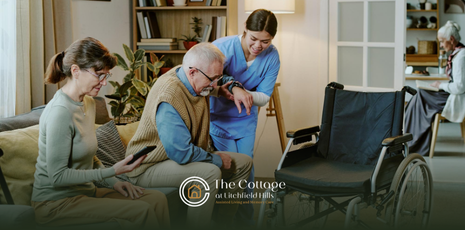
Staff in memory care communities undergo specialized training to support residents with Alzheimer’s and other forms of dementia. Training focuses on understanding dementia, managing challenging behaviors, and improving communication techniques.
Caregivers learn how to provide person-centered care, maintain routines, and create a safe, structured environment. Many states require memory care staff to complete certified dementia care programs and ongoing education to stay updated on best practices.
Team members are also trained in fall prevention, emergency response, and medication management. Compassion, patience, and respect are emphasized throughout the training to ensure residents are treated with dignity.
This targeted training helps staff recognize early signs of distress, reduce agitation, and enhance the quality of life for residents.
To explore how trained caregivers can support your loved one, contact The Cottage at Litchfield Hills today!
Frequently Asked Questions
Is dementia-specific certification required for memory care staff?
Yes, most states require certification in dementia care or specialized training.
How often do staff receive training updates?
Ongoing training is typically required annually or semi-annually.
Are all memory care staff trained in emergency response?
Yes, emergency preparedness is a standard part of memory care training.
Sources:
- https://training.alz.org/
- https://www.alz.org/help-support/resources/care-education-resources


Other articles you might like