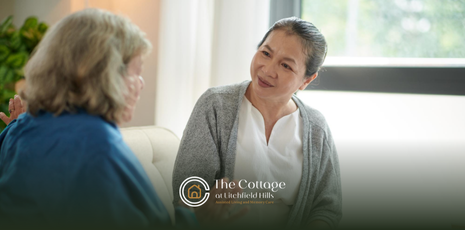
What Makes Our Memory Care Services Special at The Cottage

Key Highlights
- Personalized daily rhythms that honor each resident’s natural pace—morning birds, night owls, and everyone in between.
- Secure indoor and outdoor walking paths designed for safe movement and calm exploration.
- Comfort-focused meals inspired by familiar flavors and family memories.
- A deep commitment to personal history, stories, and emotional connection.
- Daily support rooted in dignity, gentle assistance, and natural routines.
- Engagement activities that spark real purpose, joy, and memory—not busy work.
- A supportive environment where all the details are handled so residents can simply live well.
A Memory Care Philosophy Centered on the Whole Person
Memory care is most effective when it goes beyond managing symptoms and instead focuses on supporting the person behind the diagnosis. Cognitive changes may create challenges, but they never erase individuality, preferences, or personality. That’s why exceptional memory care means seeing each resident as a complete human being—one with a lifetime of stories, experiences, abilities, and needs.
At The Cottage, this philosophy guides every moment of care. Whether it’s structuring a day to match natural energy levels, offering comforting foods that feel familiar, or creating calming spaces to walk and move freely, everything is intentional. The goal is simple: to help residents feel safe, respected, and at home.
Personalized Daily Rhythms: Because No Two Lives Are the Same
Memory care works best when it aligns with each resident’s internal clock. Some individuals wake up early, ready for breakfast and activity. Others feel more settled later in the day and thrive with slow, gentle mornings.
Why Daily Rhythms Matter
- They reduce anxiety and confusion.
- They support natural sleep patterns.
- They strengthen a resident’s sense of control and comfort.
- They help each day flow more smoothly and predictably.
Instead of forcing everyone into one rigid schedule, care teams observe what each person naturally prefers and build routines around those patterns. This reduces stress, avoids unnecessary agitation, and helps residents feel more like themselves.
Secure Walking Spaces: Safe Movement, Calm Minds
Movement is not just physical—it's emotional. Some residents walk because it's soothing. Others move because it helps reduce anxiety or provides a sense of purpose. Instead of limiting that instinct, secure walking spaces make it safe and accessible.
Benefits of Secure Walking Paths
- Allows residents to explore without fear of getting lost
- Supports physical health, balance, and mobility
- Encourages independence while maintaining safety
- Helps reduce restlessness or pacing behaviors
The goal is not to restrict movement but to support it. These spaces are intentionally designed to be calming, intuitive, and free from hazards, giving residents the freedom to walk with confidence.
Food That Feels Like Home: Nourishment for the Body and Memory
Food is deeply tied to emotion, comfort, and memories. A single familiar smell can bring back a moment from decades ago—even if other memories feel out of reach.
Meals here are created with this in mind. Instead of institutional food, residents enjoy the comforting flavors they’ve known throughout their lives—recipes that feel familiar, approachable, and satisfying.
Why Familiar Food Matters
- Triggers positive emotional connections
- Encourages better appetite and nutrition
- Helps residents feel grounded and comforted
- Supports social interaction during shared meals
In memory care, food serves both a nutritional purpose and a meaningful emotional one. That’s why the dining experience is built around familiarity, warmth, and enjoyment.
Your Family History Matters Here: Stories Become a Part of Care
Every resident brings a lifetime of experiences—love stories, careers, hobbies, family traditions, and special moments. These details are not minor. They form the foundation of personalized, compassionate care.
Families are encouraged to share stories, photos, traditions, and meaningful memories. These become tools for stronger emotional connections and more thoughtful care.
How Personal History Enhances Memory Care
- Helps staff connect more deeply with each resident
- Supports comforting conversations tied to identity
- Guides engagement activities that feel relevant and joyful
- Creates a sense of familiarity and emotional safety
When caregivers know who someone was—and still is—they can see beyond the diagnosis and support the whole person.
Daily Memory Care Support: What Everyday Life Looks Like
Exceptional memory care isn’t about occasional special moments—it’s about consistency. Every day is designed to support comfort, dignity, engagement, and ease.
Below is a table summarizing the core pillars of daily memory care and what they look like in practice.
Daily Memory Care Features and What They Mean for Residents
| Core Support Area | What It Means in Daily Life |
|---|---|
| Dignity First | Gentle help with bathing, dressing, and grooming that focuses on independence and respect. |
| Natural Medical Support | Medications blended into daily routines; monitoring through conversation, not clinical disruption. |
| Real Engagement | Activities based on abilities—music, art, exercise, sensory activities—never busy work. |
| All the Details Handled | Clean laundry, tidy rooms, scheduled meals, transportation, and daily housekeeping all managed for the resident. |
Dignity First, Always
Dignity is not optional—it is essential. Memory care should never make someone feel helpless or rushed. Daily care tasks such as bathing, dressing, grooming, and toileting are handled with patience, privacy, and gentle assistance.
Residents are encouraged to do what they can independently, and caregivers support the rest with quiet, respectful help. This approach strengthens confidence and preserves self-worth.
Medical Care That Doesn’t Feel Medical
While safety is always a priority, medical care should blend seamlessly into everyday life.
This Includes:
- Medications given naturally—never abruptly or with pressure
- Health monitoring is done through simple conversation and observation
- Emergency response that is fast, skilled, and calm, not chaotic or frightening
By reducing the clinical feel of medical support, residents stay relaxed and comfortable throughout the day.
Real Engagement, Not Busy Work
Engagement activities should never feel like tasks—they should feel meaningful. In memory care, hands may forget certain skills, but they often remember how to create, hold rhythm, or express emotion.
Examples of Real Engagement
- Music sessions where residents recall lyrics they haven’t sung in years
- Art projects that reconnect them with creativity and self-expression
- Gentle exercise tailored to physical limitations, including arthritis-friendly movement
- Sensory activities that awaken curiosity and comfort
The goal is not to fill time—it’s to enrich life.
All the Details—Beautifully Handled
Residents should never feel burdened by daily tasks. Memory care is most effective when all the logistical details fade into the background so individuals can simply enjoy their day.
What This Includes
- Laundry done regularly and quietly
- Rooms kept clean and fresh
- Meals served on time without stress
- Transportation was arranged without confusion
- Personal spaces are maintained with care
When everyday responsibilities are handled seamlessly, residents experience greater peace and stability.
A Memory Care Community Where People Feel at Home
Memory care should be a supportive environment—not a clinical one. It should feel warm, calm, and familiar. Everything described above is designed to help residents live with dignity, connection, independence, and comfort.
At the end of the day, what makes our memory care services special is simple: we treat the person behind the diagnosis. It’s the heart of everything at The Cottage at Litchfield Hills. Contact us today!
Frequently Asked Questions
What makes memory care different from assisted living?
Memory care provides specialized support for individuals with Alzheimer’s and other forms of dementia. It includes structured daily routines, trained staff, secure environments, and engagement activities tailored to cognitive needs.
How do personalized daily rhythms help residents?
They reduce stress and confusion by matching activities with each resident’s natural energy levels—supporting better sleep, calmer days, and more enjoyable routines.
Are families involved in the care process?
Yes. Families are encouraged to share stories, preferences, and personal history. These details help caregivers offer deeper, more meaningful support.
What types of activities do residents participate in?
Activities include music therapy, art projects, exercise, sensory experiences, games, social activities, and personalized engagements based on interests and abilities.
How do secure walking spaces improve quality of life?
They allow residents to move freely and safely, supporting physical health, reducing anxiety, and promoting a sense of independence.
Sources:
- https://www.webmd.com/healthy-aging/what-to-know-about-anxiety-in-older-adults
- https://www.alz.org/help-support/caregiving/daily-care/food-eating
- https://cbmm.bwh.harvard.edu/index.php/support-education__trashed/for-family-caregivers/routine-daily-care-plans/


Other articles you might like