
What Should Families Pack for a Respite Care Stay?
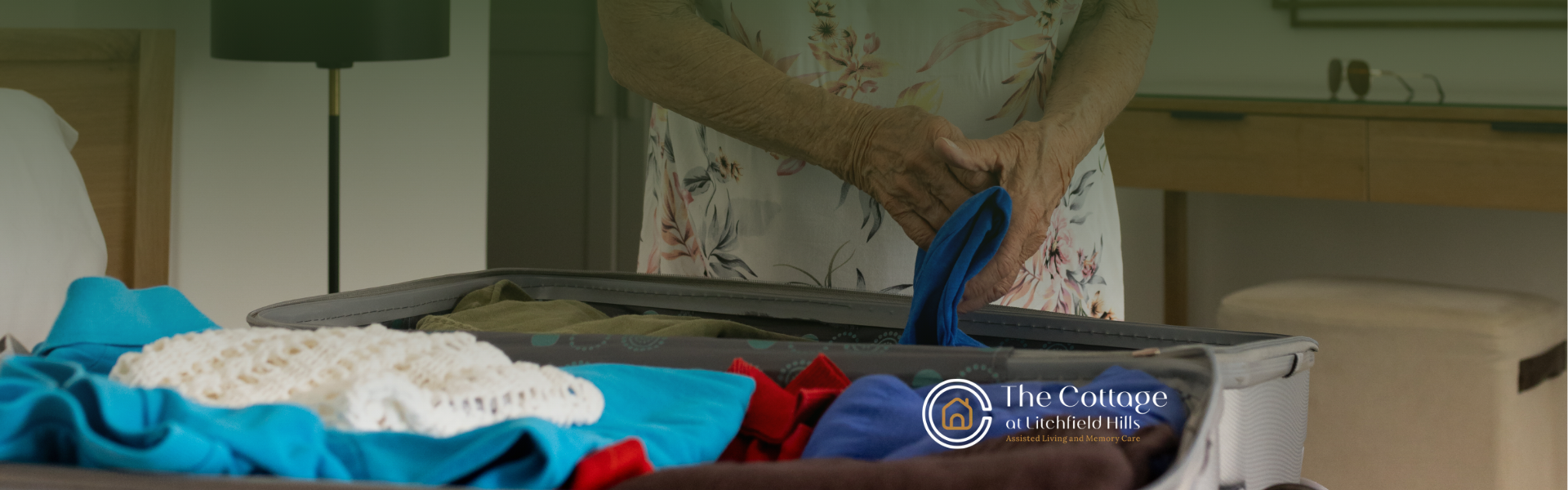
Preparing for a respite care stay helps your loved one feel comfortable and ensures caregivers have what they need. Here’s a practical packing list:
Clothing & Accessories:
- Comfortable everyday clothes and pajamas
- Socks and non-slip shoes
- Sweaters or jackets for layering
Toiletries & Personal Care:
- Toothbrush, toothpaste, and floss
- Hairbrush or comb
- Shampoo, conditioner, and body wash
- Skincare items and deodorant
Medical & Health Items:
- Medications in labeled containers
- Medical devices (hearing aids, glasses, walkers)
- Copies of recent medical records
Comfort & Entertainment:
- Favorite blanket or pillow
- Books, magazines, or small hobby items
- Photos or personal mementos
Label everything clearly to prevent loss and make the stay smoother. This preparation helps your loved one feel secure and cared for during their time in respite care.
At The Cottage at Litchfield Hills, we guide families on packing and provide a supportive environment for a safe, comfortable respite care experience.
Frequently Asked Questions
How many days’ worth of clothing should I pack?
Pack enough for the duration of the stay, plus a few extras.
Can I bring personal electronics?
Yes, items like tablets or music players are welcome.
Should I pack medications?
Yes, all prescription and over-the-counter medications should be included.
Sources:
- https://stjudes.com.au/news/what-to-pack-for-respite-care
- https://forum.alzheimers.org.uk/threads/respite-care-what-to-pack.162743/


Other articles you might like