Why Community Events Matter in Seniors’ Lives

Key Highlights
- Community events boost social interaction and reduce senior isolation.
- Regular engagement promotes mental and physical health.
- Participating in events improves emotional well-being and self-esteem.
- Structured activities provide routine, purpose, and cognitive stimulation.
- Events can foster friendships and a strong sense of belonging.
- Choosing the right mix of events ensures inclusion for diverse abilities and interests.
As people age, maintaining social connections and engaging in meaningful activities becomes essential for overall well-being. While physical health often takes center stage, emotional and social wellness is equally critical. That’s why understanding why community events matter to seniors is so important. Community events provide opportunities for social engagement, mental stimulation, and emotional support—all key components of healthy aging.
This guide explores the importance of community events for seniors, their benefits, and practical ways to encourage participation to improve quality of life.
The Social Benefits of Community Events
Combating Loneliness and Isolation
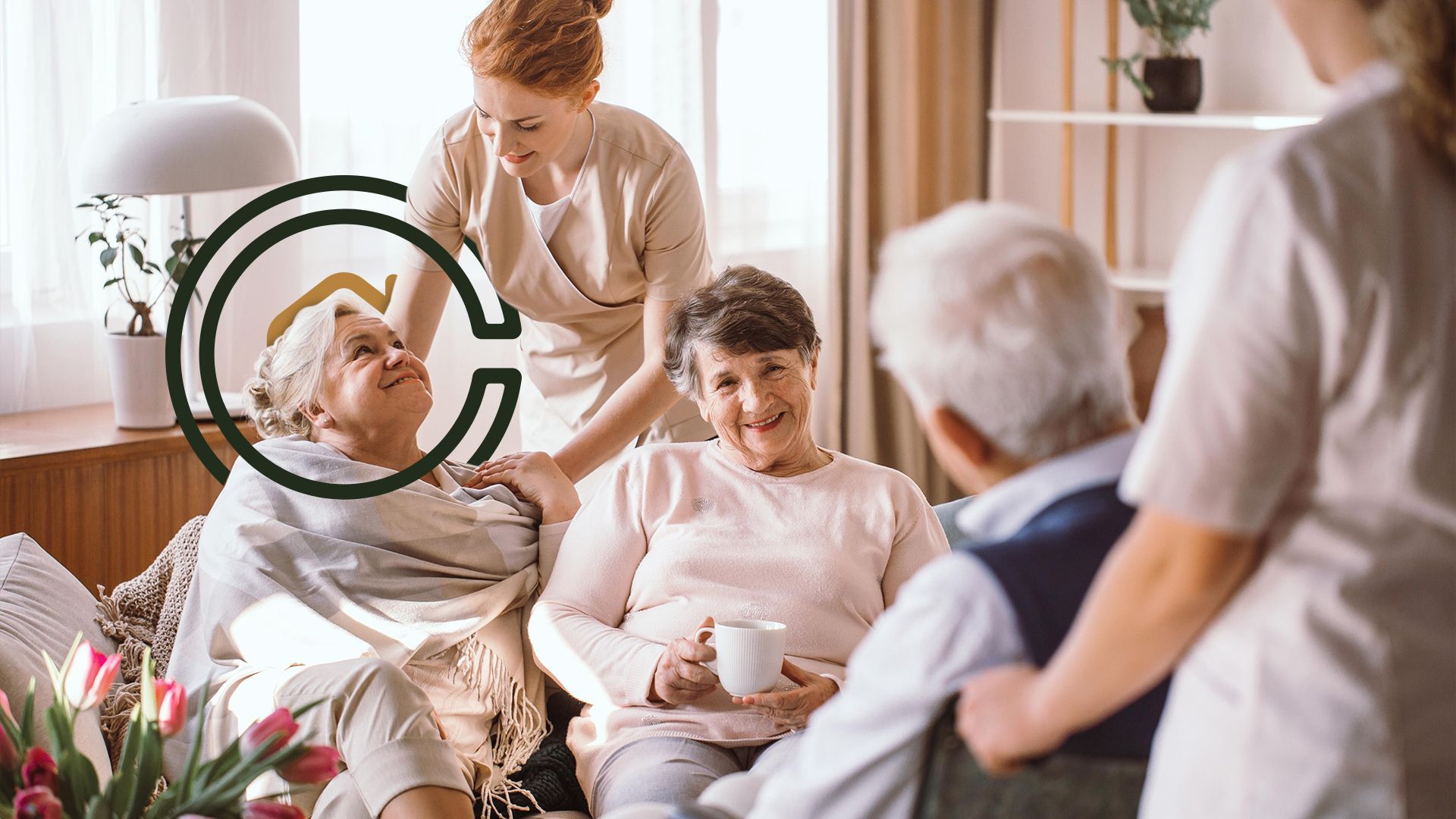
Social isolation is a significant concern among seniors, especially those living alone. Community events provide consistent opportunities to interact with peers, reducing feelings of loneliness and depression.
Benefits of social engagement include:
- Reduced risk of cognitive decline
- Improved mood and emotional health
- Enhanced motivation to stay active
Building Friendships and Support Networks
Community events create natural spaces for seniors to meet new friends and form supportive relationships. Having a reliable social network can help seniors navigate challenges and enjoy a richer, more connected life.
Cognitive and Mental Health Benefits
Mental Stimulation
Engaging in intellectually stimulating activities, such as book clubs, lectures, or puzzle-based games during community events, supports cognitive health. Regular mental engagement has been linked to:
- Lower risk of dementia
- Better memory retention
- Improved problem-solving skills
Emotional Well-Being
Participating in events fosters a sense of purpose and belonging, which improves self-esteem and reduces anxiety. Feeling valued and connected encourages seniors to maintain an active lifestyle.
Physical Health Benefits
Promoting Active Lifestyles
Many community events include physical activity, from gentle exercise classes to walking clubs. Regular participation encourages:
- Increased mobility and flexibility
- Better cardiovascular health
- Lower risk of falls
Encouraging Healthy Routines
Scheduled events help seniors establish routines, promoting regular sleep, balanced meals, and consistent activity—all factors that contribute to overall health.
Types of Community Events That Matter
| Event Type | Examples | Benefits |
|---|---|---|
| Social Gatherings | Coffee hours, dances, birthday celebrations | Build relationships and reduce isolation |
| Educational Programs | Lectures, classes, workshops | Stimulate mental engagement and learning |
| Physical Activities | Yoga, tai chi, walking clubs | Promote mobility, strength, and balance |
| Creative Arts | Painting, music, crafts | Encourage self-expression and stress relief |
| Volunteer Opportunities | Community service, mentoring | Provide purpose, fulfillment, and connection |
| Themed Celebrations | Holidays, cultural events | Foster community spirit and cultural engagement |
Encouraging Participation
Tailoring Events to Abilities
Not all seniors have the same mobility, cognitive ability, or interests. Offering a variety of events ensures inclusivity and maximizes participation.
Tips:
- Provide options for seated and low-impact activities
- Include intellectual, creative, and social events
- Rotate activities to maintain novelty and excitement
Creating a Welcoming Environment
A warm, welcoming environment encourages hesitant participants to join. Consider:
- Friendly introductions and orientation sessions
- Volunteer buddies or mentors
- Clear schedules and accessible spaces
Leveraging Technology
Virtual events or hybrid options allow seniors who cannot attend in person to participate. Video calls, livestreamed lectures, and online hobby groups can bridge physical barriers.
How Community Events Support Families
Community events also benefit families:
- Provide peace of mind knowing loved ones are engaged and safe
- Encourage family participation in multigenerational activities
- Reduce caregiver stress by offering structured social time
Measuring the Impact of Events
Participation Rates
High attendance indicates event appeal and community engagement. Surveying seniors about preferred activities helps optimize offerings.
Emotional and Cognitive Outcomes
Tracking improvements in mood, social interaction, or cognitive engagement can illustrate the effectiveness of events in promoting overall well-being.
Challenges and Solutions
| Challenge | Solution |
|---|---|
| Mobility Limitations | Offer accessible venues and seated activities |
| Low Motivation | Personal invitations, buddy system, and familiar activities |
| Cognitive Impairments | Simplify instructions, use reminders, and offer supportive staff |
| Transportation Barriers | Arrange group transportation or rideshare programs |
Case Study: The Impact of Community Events
Consider a senior living community that hosts weekly themed social gatherings, educational classes, and fitness sessions. Residents report:
- Increased social connections
- Better adherence to healthy routines
- Higher satisfaction and emotional well-being
This demonstrates that structured, diverse events can transform the senior living experience, fostering physical, mental, and emotional health.
Long-Term Benefits
Consistent engagement in community events has long-term benefits:
- Lower rates of depression and anxiety
- Improved cognitive resilience
- Stronger social networks that enhance quality of life
- Greater independence and confidence
Final Thoughts
Understanding why community events matter for seniors highlights their critical role in promoting holistic health. Social, emotional, and physical engagement through structured activities can transform the aging experience, providing seniors with purpose, connection, and joy.
For families looking to enhance their loved one’s quality of life, exploring senior living communities that offer robust community programming can make a significant difference. The Cottage at Litchfield Hills provides thoughtfully designed events and activities to support residents’ social, emotional, and physical well-being, ensuring every day is meaningful and fulfilling. Reach out today!
Frequently Asked Questions
How often should seniors participate in community events?
Ideally, seniors should engage in activities multiple times per week, balancing social, physical, and mental stimulation.
Can community events help with cognitive health?
Yes. Events that challenge the mind, such as classes, games, and discussion groups, support memory, learning, and problem-solving skills.
Are community events suitable for seniors with limited mobility?
Absolutely. Many events are tailored for accessibility, including seated activities, gentle exercise, and hybrid virtual options.
How do community events impact emotional well-being?
Regular participation fosters connection, reduces isolation, and improves mood, contributing to overall mental health.
Can family members join community events?
Many communities encourage family participation, which strengthens bonds and provides shared social experiences.
Sources:
- https://jamanetwork.com/journals/jama/fullarticle/2819153
- https://pmc.ncbi.nlm.nih.gov/articles/PMC10794679/
- https://www.hbrhc.com/blog/activities-that-help-stimulate-cognition-in-seniors
- https://www.healthline.com/health/everyday-fitness/senior-workouts
- https://www.ncoa.org/article/7-ways-older-adults-can-manage-their-mental-health/

Other articles you might like