Why Is Patience Important in Dementia Care?

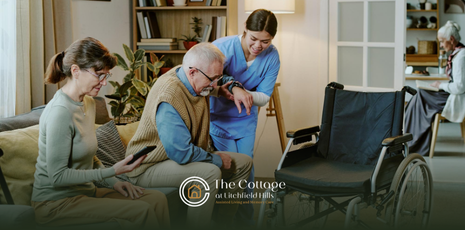
Caring for someone with dementia requires understanding, empathy, and above all, patience. Dementia affects memory, communication, and behavior, making everyday tasks challenging for both the individual and the caregiver.
Patience in dementia care allows caregivers to:
- Enhance Communication: Gentle guidance and repeated explanations help seniors understand instructions without frustration.
- Promote Safety: Calm and measured responses reduce agitation, confusion, and the risk of accidents.
- Build Trust: A patient approach fosters emotional security, making seniors feel valued and respected.
- Support Independence: Allowing extra time for tasks encourages autonomy and dignity.
Real-life Observation: In our sessions, caregivers who consistently practiced patience saw reduced agitation, smoother daily routines, and stronger bonds with residents.
Ultimately, patience is not just a virtue—it is a practical tool that improves outcomes, emotional well-being, and quality of life in dementia care. At The Cottage at Litchfield Hills, our team emphasizes patient, compassionate care to ensure seniors with dementia feel safe, supported, and respected every day.
Frequently Asked Questions
How does patience benefit dementia care?
It reduces stress, improves communication, and fosters emotional security.
Can patience help manage challenging behaviors?
Yes. Calm, patient responses can prevent agitation and frustration.
Is patience important for both professional and family caregivers?
Absolutely. Consistent patience strengthens trust and supports positive daily experiences.
Sources:
- https://www.alzheimers.gov/life-with-dementia/tips-caregivers
- https://www.alzheimers.org.uk/get-support/publications-factsheets/caring-person-dementia-practical-guide


Other articles you might like