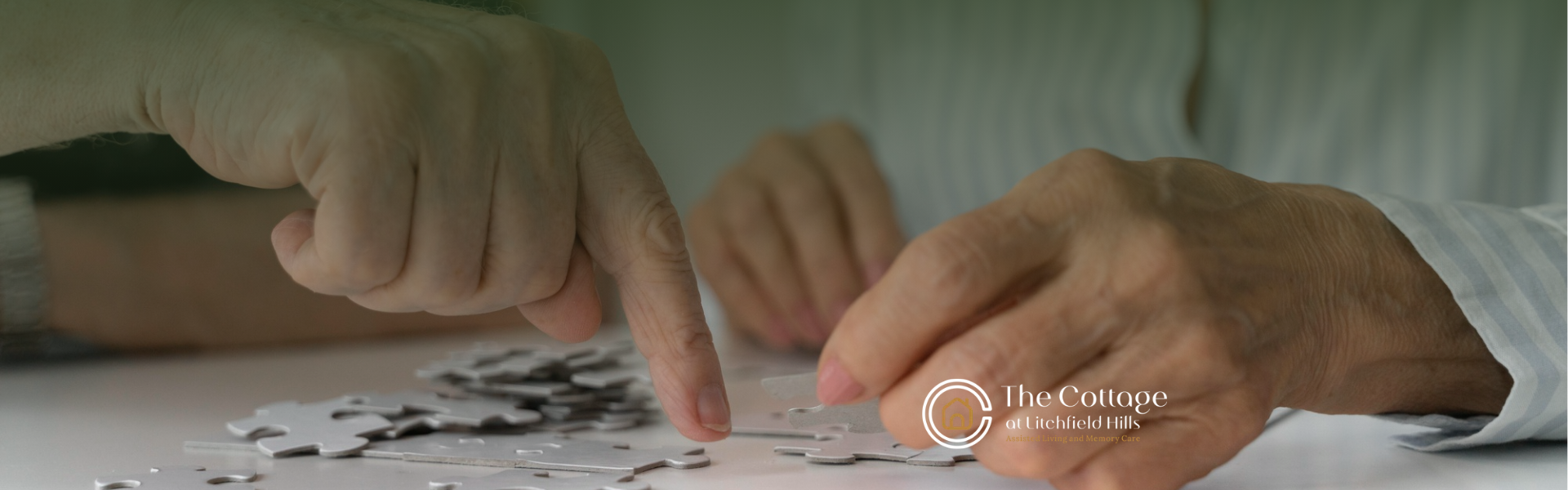
Activities That Support Senior Memory Retention

March 18, 2026

Key Highlights

  • Memory retention in seniors can be improved through consistent mental and physical activities
  • Engaging multiple senses helps strengthen memory and recall
  • Social interaction plays a critical role in cognitive health
  • Routine and repetition are key to maintaining memory function
  • Personalized activities lead to better engagement and outcomes


As people age, changes in memory and cognitive function are common. While some decline is natural, there are many ways to support and even improve memory retention in seniors. The right activities can stimulate the brain, strengthen neural connections, and enhance overall quality of life.


Whether at home or in a structured care setting, incorporating meaningful and engaging activities into daily routines can make a significant difference. Understanding which activities are most effective—and why—helps caregivers and families provide better support.


Why Memory Retention Matters for Seniors

Memory is essential for independence, communication, and emotional well-being. When memory begins to decline, it can affect daily tasks, relationships, and confidence.


Benefits of supporting memory retention:


  • Improved ability to perform daily activities
  • Enhanced communication and social interaction
  • Increased confidence and independence
  • Reduced risk of cognitive decline


Real-World Insight: In working with older adults, we’ve seen that those who regularly engage in memory-supporting activities tend to remain more independent for longer periods. Even simple daily exercises can lead to noticeable improvements in recall and attention.


How the Brain Responds to Activity

The brain thrives on stimulation. Activities that challenge thinking, movement, and social interaction can help maintain and even build cognitive function.


Key factors that support memory:


  • Repetition
  • Engagement
  • Emotional connection
  • Variety


When activities involve these elements, they are more likely to produce lasting benefits.


1. Brain Games and Puzzles

Mental exercises are one of the most effective ways to support memory retention.


Examples:


  • Crossword puzzles
  • Sudoku
  • Word searches
  • Matching games
  • Trivia quizzes


Why they work: These activities challenge problem-solving skills, improve focus, and strengthen memory pathways.


Example from Practice: We’ve seen seniors who participate in daily puzzle sessions improve their short-term memory recall. In one case, a resident who struggled with remembering names showed improvement after regularly engaging in word association games.


2. Music and Memory Activities

Music has a powerful connection to memory and emotion.


Activities include:


  • Singing familiar songs
  • Listening to favorite music
  • Rhythm and movement exercises


Benefits:


  • Triggers long-term memory recall
  • Improves mood
  • Encourages participation


Insight: In many sessions, we’ve observed individuals who are otherwise quiet become animated and engaged when music is introduced. Familiar songs often bring back vivid memories and emotions.


3. Physical Exercise for Brain Health

Physical activity supports blood flow to the brain, which is essential for cognitive function.


Recommended activities:


  • Walking
  • Chair exercises
  • Light aerobics
  • Stretching


Exercise Type Memory Benefit
Walking Enhances circulation and focus
Chair exercises Improves coordination
Stretching Reduces stress
Light aerobics Boosts overall brain function


Real Example: We’ve seen that seniors who engage in regular physical activity often demonstrate better attention and memory compared to those who are sedentary.


4. Social Interaction and Group Activities

Social engagement is a key component of memory retention.


Examples:


  • Group discussions
  • Game nights
  • Shared meals
  • Storytelling sessions


Why it matters: Conversation and interaction stimulate memory recall and cognitive processing.


Example: In group settings, we’ve noticed that seniors often remember more details when sharing stories with others. Social cues and prompts help trigger memories that might otherwise remain inaccessible.


5. Reminiscence Therapy

Reminiscence therapy focuses on recalling past experiences.


Activities include:


  • Looking through photo albums
  • Sharing life stories
  • Discussing historical events


Benefits:


  • Strengthens long-term memory
  • Builds emotional connections
  • Enhances self-identity


Real Insight: We’ve seen seniors become more confident and communicative when given opportunities to share their life experiences. These sessions often lead to improved mood and engagement.


6. Creative Arts and Crafts

Creative activities stimulate different areas of the brain.


Examples:


  • Painting
  • Drawing
  • Knitting
  • Craft projects


Benefits:


  • Encourages focus and creativity
  • Enhances fine motor skills
  • Provides a sense of accomplishment


Example: In practice, seniors who engage in arts and crafts often show improved concentration and reduced anxiety.


7. Learning New Skills

Challenging the brain with new experiences can strengthen memory.


Ideas:


  • Learning a new hobby
  • Trying new recipes
  • Basic language learning


Why it works: New activities create new neural pathways, which support cognitive health.


8. Daily Routine and Repetition

Consistency helps reinforce memory.


Tips:


  • Maintain regular schedules
  • Repeat key information
  • Use structured daily activities


Insight: We’ve observed that seniors who follow consistent routines are better able to remember tasks and navigate their day with confidence.


9. Sensory Activities

Engaging the senses can enhance memory retention.


Examples:


  • Aromatherapy
  • Cooking activities
  • Gardening
  • Tactile exercises


Benefits:


  • Stimulates multiple areas of the brain
  • Enhances emotional connections
  • Improves recall


10. Technology-Based Memory Tools

Technology can provide additional support for memory retention.


Options:


  • Memory apps
  • Digital reminders
  • Brain-training programs


Example: We’ve seen seniors become more independent by using simple reminder apps to track appointments and daily tasks.


Case Study: Improving Memory Through Engagement

A senior experiencing mild memory decline was introduced to a structured activity program that included:


  • Daily puzzles
  • Weekly music sessions
  • Regular group discussions


Results:


  • Improved short-term memory
  • Increased social interaction
  • Greater overall engagement


This case demonstrates how a combination of activities can significantly enhance memory retention.


The Role of Caregivers in Supporting Memory

Caregivers play a vital role in encouraging participation and consistency.


Responsibilities include:


  • Facilitating activities
  • Providing encouragement
  • Monitoring progress
  • Adapting activities as needed


Insight: Caregivers often notice subtle improvements that may not be immediately obvious. Their observations are essential in tailoring effective memory-support strategies.


How the Environment Impacts Memory Retention

A supportive environment can make a significant difference.


Key elements:


  • Calm and organized spaces
  • Clear signage and labels
  • Familiar surroundings


These factors reduce confusion and help reinforce memory.


Final Thoughts

Activities that support senior memory retention are essential for maintaining cognitive health and quality of life. From brain games and physical exercise to social interaction and creative expression, a well-rounded approach can make a meaningful difference.


At The Cottage at Litchfield Hills, residents benefit from thoughtfully designed programs and supportive environments that promote memory retention, engagement, and overall well-being. Reach out today!


Frequently Asked Questions

  • What are the best activities for memory retention in seniors?

    Brain games, physical exercise, music therapy, and social interaction are among the most effective activities.

  • Can memory improve with activities?

    Yes, consistent engagement in cognitive and physical activities can help maintain and even improve memory function.

  • How often should seniors do memory activities?

    Daily participation is ideal, even if activities are short and simple.

  • Does physical exercise help memory?

    Yes, it improves blood flow to the brain and supports overall cognitive function.

  • What role do caregivers play in memory retention?

    Caregivers encourage participation, monitor progress, and help tailor activities to individual needs.


Sources:

  • https://www.nia.nih.gov/health/brain-health/cognitive-health-and-older-adults
  • https://pmc.ncbi.nlm.nih.gov/articles/PMC7831356/
  • https://www.uclahealth.org/news/article/4-worthwhile-brain-games-older-adults-3
  • https://www.usaging.org/socialengagement
  • https://www.verywellmind.com/how-reminiscence-therapy-works-5214451
Schedule a visit

Want To Know More?

Contact Us

Other articles you might like

A senior holding her hand, with ailing arthritis pain
March 19, 2026
Learn practical ways seniors can manage arthritis pain, including exercise, diet, and lifestyle tips to improve mobility and comfort.
A healthcare professional uses a stethoscope to examine a smiling senior
March 19, 2026
Discover effective heart health tips for seniors, including diet, exercise, and lifestyle changes to support cardiovascular wellness.
An older couple talks with a professional in an office setting
March 17, 2026
Discover practical retirement planning tips for seniors, including budgeting, healthcare planning, and ways to maximize income and savings.
More Articles