Heart Health Tips for Seniors

Key Highlights
- Heart health in seniors depends on lifestyle, diet, and consistent medical care
- Regular physical activity strengthens the heart and improves circulation
- A heart-healthy diet can reduce the risk of cardiovascular disease
- Managing stress and sleep is essential for overall heart function
- Routine health monitoring helps detect and prevent serious issues early
Heart health becomes increasingly important with age. As the body changes, the risk of cardiovascular conditions—such as high blood pressure, heart disease, and stroke—also increases. However, the good news is that many of these risks can be managed or even prevented with the right habits.
For seniors, maintaining heart health isn’t about drastic changes. It’s about building consistent, sustainable routines that support long-term well-being. With the right approach, older adults can enjoy a more active, independent, and fulfilling lifestyle.
Why Heart Health Matters for Seniors
The heart is responsible for pumping oxygen-rich blood throughout the body. As we age, the heart and blood vessels can become less efficient, making it more important to adopt heart-healthy habits.
Common cardiovascular concerns in seniors:
- High blood pressure
- Coronary artery disease
- Heart failure
- Irregular heart rhythms
Real-World Insight: In working with older adults, we’ve seen that those who actively manage their heart health—through diet, exercise, and regular check-ups—often experience fewer hospital visits and maintain higher energy levels.
1. Stay Physically Active
Exercise is one of the most effective ways to strengthen the heart.
Recommended activities:
- Walking
- Swimming
- Chair exercises
- Light strength training
Benefits:
- Improves circulation
- Lowers blood pressure
- Helps maintain a healthy weight
- Reduces stress
| Activity Type | Heart Health Benefit |
|---|---|
| Walking | Boosts cardiovascular endurance |
| Swimming | Low-impact heart strengthening |
| Chair exercises | Improves mobility and circulation |
| Strength training | Supports overall heart function |
Example from Practice: We’ve seen seniors who commit to even 20–30 minutes of daily walking experience noticeable improvements in stamina and blood pressure levels within a few weeks.
2. Follow a Heart-Healthy Diet
Nutrition plays a major role in cardiovascular health.
Focus on:
- Fruits and vegetables
- Whole grains
- Lean proteins
- Healthy fats (like those from fish and nuts)
Limit:
- Salt
- Saturated fats
- Processed foods
- Added sugars
Insight: In care settings, we’ve observed that seniors who shift to balanced, nutrient-rich diets often show improved energy and better cholesterol levels over time.
3. Monitor Blood Pressure and Cholesterol
Regular health monitoring helps catch issues early.
Important checks:
- Blood pressure
- Cholesterol levels
- Blood sugar
Why it matters: Early detection allows for timely intervention, reducing the risk of serious complications.
Real Example: We’ve encountered cases where routine blood pressure checks identified early hypertension, allowing for lifestyle adjustments that prevented further complications.
4. Maintain a Healthy Weight
Excess weight can strain the heart and increase the risk of cardiovascular disease.
Tips:
- Combine regular exercise with balanced nutrition
- Avoid crash diets
- Focus on gradual, sustainable changes
5. Manage Stress Effectively
Chronic stress can negatively impact heart health.
Stress management techniques:
- Deep breathing exercises
- Meditation
- Gentle physical activity
- Engaging hobbies
Insight: We’ve seen that seniors who incorporate relaxation techniques into their daily routines often experience lower blood pressure and improved emotional well-being.
6. Prioritize Quality Sleep
Sleep is essential for heart health.
Tips for better sleep:
- Maintain a consistent schedule
- Create a comfortable sleep environment
- Limit caffeine and screen time before bed
Real Insight: Poor sleep has been linked to increased heart risks. In practice, improving sleep routines often leads to better overall health outcomes.
7. Avoid Smoking and Limit Alcohol
Smoking and excessive alcohol consumption can significantly harm the heart.
Benefits of quitting smoking:
- Improved circulation
- Lower blood pressure
- Reduced risk of heart disease
Alcohol guidelines: Moderate consumption, if at all.
8. Stay Socially Connected
Social engagement supports both emotional and physical health.
Benefits:
- Reduces stress
- Encourages active lifestyles
- Improves mental health
Example: We’ve noticed that socially active seniors are more likely to maintain healthy habits and stay engaged in physical activities.
9. Take Medications as Prescribed
For many seniors, medications are essential for managing heart conditions.
Tips:
- Follow prescribed dosages
- Keep an updated medication list
- Consult healthcare providers before making changes
Real-World Insight: Medication adherence is critical. We’ve seen improved outcomes in seniors who consistently follow their treatment plans.
10. Recognize Warning Signs Early
Understanding the signs of heart issues can save lives.
Watch for:
- Chest pain or discomfort
- Shortness of breath
- Fatigue
- Dizziness
Insight: Early recognition and prompt medical attention often lead to better recovery outcomes.
Case Study: Improving Heart Health Through Lifestyle Changes
A senior with high blood pressure and low energy levels adopted a new routine that included:
- Daily walks
- A heart-healthy diet
- Stress management techniques
Results:
- Lower blood pressure
- Increased energy
- Improved overall well-being
This case highlights how consistent lifestyle changes can significantly improve heart health.
The Role of Caregivers in Heart Health
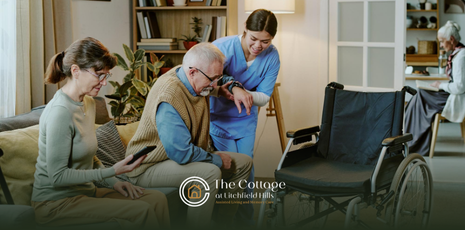
Caregivers play an important role in supporting heart-healthy habits.
Responsibilities:
- Encouraging physical activity
- Monitoring health changes
- Supporting medication adherence
- Promoting healthy eating
Insight: Caregivers often help maintain consistency, which is key to long-term success.
How the Environment Impacts Heart Health
A supportive environment encourages healthy behaviors.
Key elements:
- Access to nutritious meals
- Safe spaces for physical activity
- Opportunities for social interaction
Final Thoughts
Heart health is a critical aspect of aging well. By focusing on physical activity, nutrition, stress management, and regular health monitoring, seniors can significantly reduce their risk of cardiovascular disease and improve their quality of life.
At The Cottage at Litchfield Hills, residents are supported with wellness programs, nutritious meals, and a caring environment designed to promote heart health and overall well-being. Contact us today!
Frequently Asked Questions
What is the best exercise for heart health in seniors?
Walking is one of the safest and most effective exercises, along with swimming and light strength training.
How does diet affect heart health?
A balanced diet helps control cholesterol, blood pressure, and weight, all of which are key to heart health.
How often should seniors check their heart health?
Regular check-ups are recommended, with frequency depending on individual health conditions.
Can heart disease be prevented in seniors?
While not all cases can be prevented, many risks can be reduced through healthy lifestyle choices.
Why is stress management important for heart health?
Chronic stress can increase blood pressure and strain the heart, making stress management essential.
Sources:


Other articles you might like