
How Is Continuity of Care Maintained During Respite?
January 28, 2026
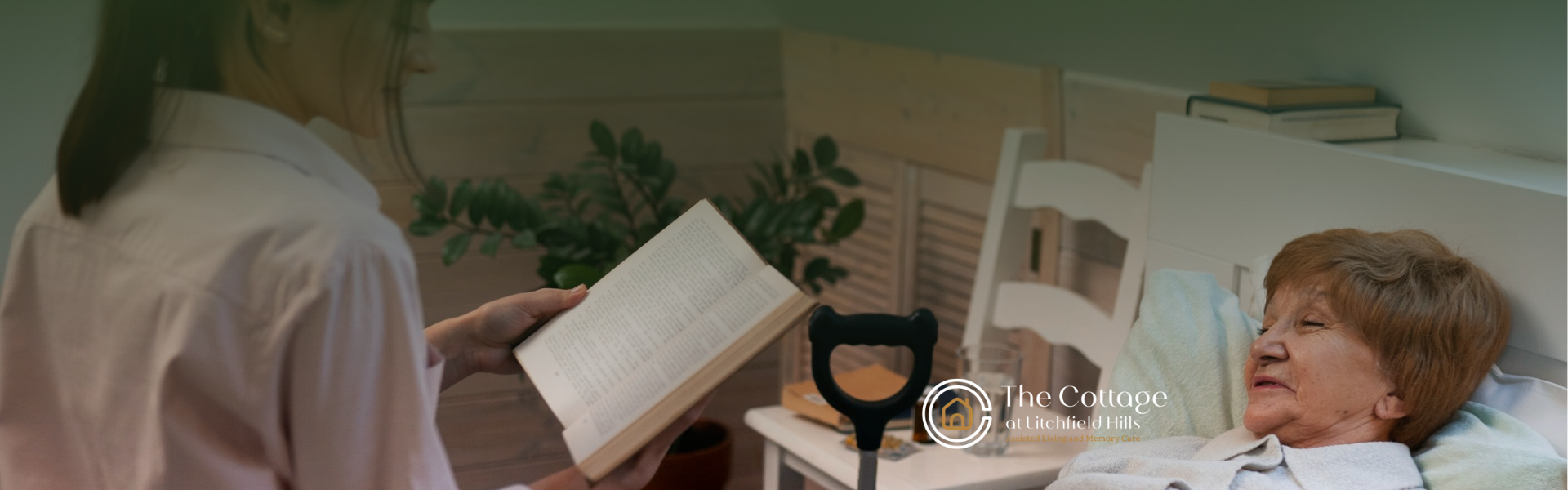
Respite care provides temporary relief for primary caregivers while ensuring seniors continue to receive quality care. Maintaining continuity during this period is essential to protect health, comfort, and routines.
Ways continuity of care is maintained during respite:
- Personalized care plans: Staff follow detailed care instructions covering medications, dietary needs, mobility assistance, and routines.
- Consistent caregivers: Familiar or well-trained caregivers help seniors feel secure and reduce confusion.
- Comprehensive communication: Care teams document updates and communicate changes to ensure seamless transitions back to regular care.
- Routine preservation: Daily schedules, favorite activities, and therapy sessions are maintained to provide stability.
- Monitoring and evaluation: Staff track health, behavior, and mood to quickly address any concerns.
By prioritizing these measures, respite care can provide relief to caregivers without disrupting the senior’s well-being. At The Cottage at Litchfield Hills, our respite programs ensure smooth transitions, consistent care, and peace of mind for both residents and families.
Frequently Asked Questions
How long does respite care usually last?
It can range from a few hours to several weeks depending on needs.
Will my loved one’s routine be interrupted?
No, routines and daily activities are carefully maintained.
Is respite care suitable for memory care residents?
Yes, specialized programs ensure safety and cognitive support.
Sources:


Other articles you might like

Explore the role of friendship in healthy aging, what research says about isolation risk, why friendships fade after retirement, and how to rebuild them.

Seven common misconceptions about respite care, what short-term stays actually involve, how to pay for them, and how to plan one that goes well.

Learn the 7 signs an aging parent needs more help at home, from medication mistakes to missed bills, and how to tell what truly needs attention.