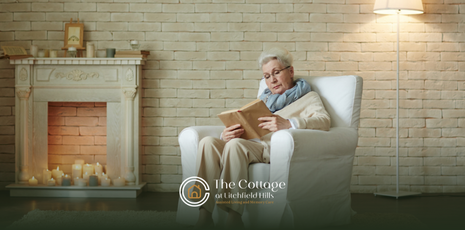
Is Independent Living Right for an Active Senior?

Key Highlights
- Independent living is built for seniors who are healthy, social, and want less household work.
- A maintenance-free home frees up time and energy for travel, hobbies, and family.
- Built-in friendships and activities can reduce isolation before it starts.
- Signs it may be time include a home that feels like a chore, shrinking social circles, and worry about being alone.
- Moving by choice, while still strong, usually goes better than moving after a crisis.
- Comparing the true cost of staying home with an all-inclusive monthly fee gives a clearer picture.
- Touring in person and asking the right questions is the best way to know if a community fits.
Many active seniors reach a point where the house starts to feel like a part-time job. There is the lawn, the gutters, the snow, the furnace that needs servicing, and the grocery run followed by cooking for one. Meanwhile, the things you actually enjoy, like travel, friends, hobbies, and time with grandchildren, get squeezed into whatever energy is left.
If that sounds familiar, you may be wondering whether independent living is right for you or for a parent. The question often comes with worry. Does moving mean giving something up? Is it too soon? Will it feel like leaving real life behind?
The honest answer is that independent living is designed for people who are still active, capable of managing daily life on their own, and eager to spend their time on what matters most. This guide explains what independent living is, who tends to thrive in it, and how to decide with confidence.
What Independent Living Actually Is
Independent living is a housing and lifestyle choice for older adults who do not need hands-on daily care. Residents typically have their own private apartment or cottage, their own schedule, their own car, and their own doctors. The difference is that much of the work of running a household is handled for them.
Offerings vary from one community to the next, so it is always worth asking for specifics. Many communities include or offer:
- Home maintenance and repairs, plus lawn care and snow removal
- Housekeeping and linen services
- Restaurant-style dining or flexible meal plans
- Social events, clubs, fitness classes, and outings
- Scheduled transportation for appointments and errands
- Security features and a team on site
It helps to know what independent living is not. It is not a nursing home, and it is not a medical setting. Assisted living, by contrast, provides hands-on help with tasks like bathing, dressing, or medication management. Independent living sits earlier on the path, and the entire point is to keep you doing what you already do, with fewer obstacles.
Why Active Seniors Often Thrive in Independent Living
Active older adults are often the people who benefit most, because they have the energy to take full advantage of what a community offers.
- You get your time and energy back. Every hour not spent mowing, shoveling, scheduling contractors, or planning meals is an hour for something you enjoy. Many residents say the biggest surprise is how much lighter daily life feels.
- Friendships are built into the day. Research has long linked strong social ties to better health and well-being in older adults. At home, it takes effort to stay connected, especially after a spouse passes or friends move away. In a community, a conversation in the dining room or a walk with a neighbor happens naturally.
- It is easier to stay active. Fitness classes, walking paths, gardening groups, card games, and trips are right outside your door. A scheduled activity is far easier to keep up than a solo routine.
- You gain peace of mind. Having a team nearby and a safe, well-lit environment means a fall or a sudden illness is less likely to go unnoticed. It also eases worry for adult children who live far away.
- You can lock the door and go. Without a house to monitor, spontaneous travel becomes simple. Visit the grandchildren for a month or take that long-awaited trip without worrying about frozen pipes or an overgrown yard.
- Costs become more predictable. Instead of scattered bills and surprise repairs, many communities bundle housing, utilities, meals, and services into one monthly fee.
Signs Independent Living May Be the Right Fit
There is no single correct age or moment, but certain patterns show up again and again. You or your parent may be ready to consider it if:
- The house requires more upkeep than you enjoy or can comfortably manage
- Stairs, ladders, or icy walkways make you hesitate
- Friends have moved or passed away, and your social circle is shrinking
- Days pass with little conversation outside of phone calls
- Cooking and grocery shopping have become a burden, or meals have become less balanced
- Driving at night or in winter weather makes you uneasy
- You feel less safe living alone, or your family worries more than they say
- You want more activity and purpose but are not sure where to find it
Notice that none of these signs describe someone frail. They describe someone who is still capable and simply wants a better setup. That is exactly why timing matters.
Common Myths That Hold Active Seniors Back
"Moving means losing my independence."
In reality, many people feel more independent afterward. You choose when to eat, when to join an activity, and when to stay in. The daily chores are what go away.
"It is only for people who are slowing down."
Independent living communities are full of people who golf, volunteer, travel, take classes, and host dinner parties. Many residents move in precisely because they are busy and want to stay that way.
"I am too young or too healthy."
Moving while you are healthy lets you enjoy the community, build friendships, and settle in on your own terms. It also means you are making the choice yourself rather than reacting to an event.
Staying Home vs. Independent Living at a Glance
| Part of Daily Life | Staying in Your Own Home | Independent Living |
|---|---|---|
| Home upkeep | You arrange and pay for repairs, lawn care, and snow removal | Handled by the community |
| Meals | Shopping, cooking, and cleanup every day | Dining options available, with a kitchen if you want to cook |
| Social life | Depends on your own effort and transportation | Built into daily life through events and shared spaces |
| Safety | May rely on phone calls and neighbors | Team on site and a secure environment |
| Transportation | Your own car, often at night and in winter | Your own car plus scheduled transportation |
| Travel | Requires arranging care for the house | Lock and go |
| Costs | Many separate bills that can change without warning | Often one predictable monthly fee |
What We Have Seen in Practice
In our experience working with families, the people who feel happiest about the move are usually the ones who made it early and on their own terms.
One example is a retired nurse who lived alone in a two-story home for decades. She kept saying she was "not ready" and that the house was fine. What finally changed her mind was noticing that she had stopped hosting her book club because the cleaning and cooking had become too much. After touring, she moved in, and within a couple of months she was leading a reading group of her own and walking with two neighbors every morning. Her words afterward stuck with her family: "I should have done this two years ago."
We have also seen the other side. A family waited until after a fall to start the conversation. The move happened quickly, under stress, with little time to choose, and the senior arrived feeling that the decision was made for them. The community was no different, but the experience was, because the choice had not been theirs.
The lesson we see repeated is that moving from a position of strength gives you more options, more say, and more energy to enjoy the change.
Questions to Ask Yourself Before You Decide
Take a few quiet minutes with these questions. They can be a helpful starting point for you or for a family conversation:
- How much of my week goes to house and yard tasks I would rather not do?
- When did I last have a meaningful social outing, and how easy was it to arrange?
- Do I feel confident getting around my home in the dark or in bad weather?
- If I had a minor injury or illness tomorrow, who would notice and how quickly?
- What would I do with the extra time if the chores disappeared?
- Would I rather choose this move now, or be forced to decide later?
If most of your answers point toward wanting more ease, connection, and security, independent living deserves a closer look.
How to Compare the Real Costs
Cost is often the biggest hesitation, and it is worth looking at honestly. Many people compare a community's monthly fee only to their mortgage, which leaves out most of what they actually spend. Try adding up your annual costs for:
- Mortgage or rent, property taxes, and homeowners insurance
- Electric, heat, water, internet, and trash
- Repairs, appliance replacements, and routine maintenance
- Lawn care, landscaping, and snow removal
- Groceries and dining out
- Housekeeping help
- Fuel, car maintenance, and insurance
Then ask each community exactly what its fee includes, what costs extra, and how rates change over time. Some people find the comparison closer than expected once everything is on paper. A trusted financial advisor can help you look at your own situation, since every household is different.
Find Out If Independent Living Fits Your Life
Deciding whether independent living is right for an active senior comes down to one simple question: would life be better with less upkeep, more connection, and a team nearby? For many families across Connecticut, the answer is yes, and the best time to explore it is while you still have the energy to enjoy it.
At The Cottage at Litchfield Hills, we welcome seniors who want to keep living on their own terms, with the comfort of a supportive community, a caring team, and neighbors who quickly become friends. We proudly serve Litchfield County and families throughout Connecticut, and we would love to answer your questions and show you around.
Contact us today or schedule a tour to see what a day at The Cottage at Litchfield Hills could look like for you or someone you love.
Frequently Asked Questions
What is the difference between independent living and assisted living?
Independent living is for seniors who can manage daily activities on their own and want convenience, community, and fewer chores. Assisted living provides hands-on help with personal care such as bathing, dressing, or medication management. Many people begin with independent living and consider other levels of support only if their needs change.
Can I keep my own car, doctors, and routines?
Yes. Independent living is designed so that you keep control of your life. Most residents continue seeing their own physicians, driving their own vehicles, and following their own schedules, while having the option to use community services when helpful.
Am I too young or too healthy for independent living?
Not at all. Many residents are in excellent health when they move in. Choosing a community while you are active lets you build friendships, enjoy the amenities, and make the decision on your own terms.
How do I know if it is the right time?
Look for patterns such as a home that feels like a burden, a shrinking social circle, discomfort with driving or stairs, or family concern about you living alone. If you find yourself thinking about it repeatedly, a tour is a low-pressure way to learn more.
Can I come and go as I please?
Yes. Residents are free to travel, visit family, and stay out as long as they wish. Many people find that having no house to look after makes it easier to get away.
Sources:
- https://www.whereyoulivematters.org/resources/at-home-senior-living-vs-community-life/
- https://www.seniorliving.org/independent-living/
- https://www.aplaceformom.com/independent-living


Other articles you might like