What Changes Are Normal Part of Aging?
Aging brings natural changes that affect the body, mind, and lifestyle. Physically, it’s normal to experience slower metabolism, reduced muscle strength, joint stiffness, and changes in vision or hearing. Skin may become thinner, less elastic, and hair can gray or thin.
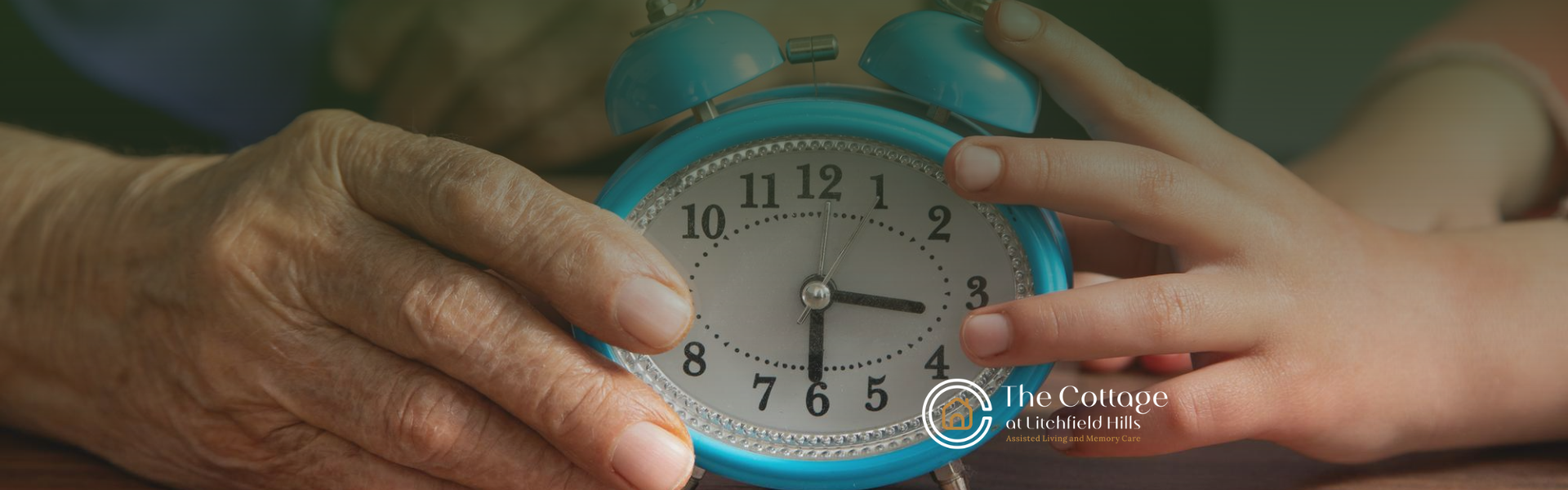
Cognitive changes are also common. Many older adults notice slower processing speeds or occasional forgetfulness, but significant memory loss is not typical and should be evaluated. Sleep patterns may shift, with lighter or shorter sleep being normal.
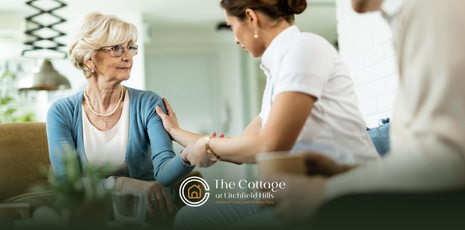
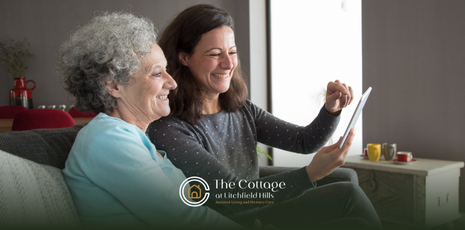
Emotional and social changes can occur, too. Retirement, loss of loved ones, or decreased mobility can affect mood and social engagement. Maintaining connections, hobbies, and physical activity helps support mental and emotional health.
It’s important to distinguish normal aging from medical concerns. Regular check-ups, healthy nutrition, exercise, and social interaction can ease transitions and enhance quality of life. For those seeking supportive senior living options that address these changes, The Cottage at Litchfield Hills provides compassionate care and community-focused programs.
Frequently Asked Questions
Is memory loss a normal part of aging?
Mild forgetfulness is common, but severe memory loss is not typical.
Do physical changes affect mobility?
Some decrease in strength and flexibility is normal, but exercise helps maintain mobility.
How can seniors maintain emotional well-being?
Staying socially active, pursuing hobbies, and seeking support when needed can help.
Sources:
- https://www.mayoclinic.org/healthy-lifestyle/healthy-aging/in-depth/aging/art-20046070
- https://www.health.harvard.edu/a_to_z/aging-overview-a-to-z

Other articles you might like