What Does "Resident-Centered Care" Really Mean?

Resident-centered care is an approach that puts the preferences, needs, and well-being of each resident at the heart of senior living. Instead of a one-size-fits-all routine, care plans are personalized, focusing on what matters most to the individual.
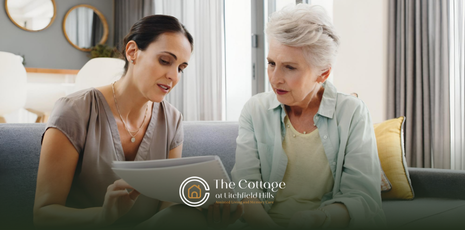
This type of care emphasizes respect, independence, and dignity. Residents are encouraged to participate in decisions about their daily routines, meals, activities, and health care. Staff members act as partners, listening carefully and adapting support to match each person’s abilities and preferences.
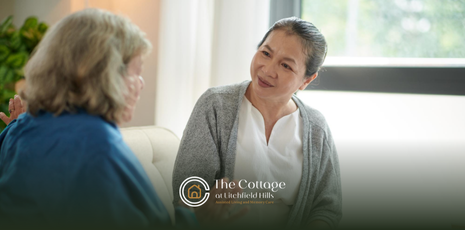
Resident-centered care also extends to social and emotional well-being. It promotes meaningful engagement, relationships, and opportunities for hobbies or learning. The goal is to create an environment where residents feel valued, comfortable, and empowered to live life on their terms.
For seniors and families looking for a community that truly practices this approach, The Cottage at Litchfield Hills offers personalized care that respects each resident’s unique lifestyle and choices.
Frequently Asked Questions
How is resident-centered care different from traditional care?
It focuses on individual preferences and active participation, rather than following a fixed schedule.
Can residents still make choices about their daily life?
Yes, residents are encouraged to decide on meals, activities, and routines whenever possible.
Does this care approach improve quality of life?
Yes, it promotes independence, dignity, and emotional well-being.
Sources:
- https://www.nccdp.org/person-centered-care-in-senior-living-and-memory-care-neighborhoods/
- https://pmc.ncbi.nlm.nih.gov/articles/PMC4579212/


Other articles you might like